Philosophy is not just an academic subject. It is a way of thinking about life, truth, morality, purpose, knowledge, and existence. It teaches you how to question assumptions, think critically, and reflect deeply. Whether you are searching for meaning, clarity, wisdom, or intellectual growth, philosophy offers timeless guidance. Reading philosophy strengthens reasoning skills and emotional …

Philosophy is not just an academic subject. It is a way of thinking about life, truth, morality, purpose, knowledge, and existence. It teaches you how to question assumptions, think critically, and reflect deeply. Whether you are searching for meaning, clarity, wisdom, or intellectual growth, philosophy offers timeless guidance.
Reading philosophy strengthens reasoning skills and emotional maturity. It helps you become more aware of your beliefs and more respectful of different perspectives. The following books are some of the best philosophy books of all time. None of them repeat previously mentioned titles, and each one offers a unique lens through which to understand life and human nature.
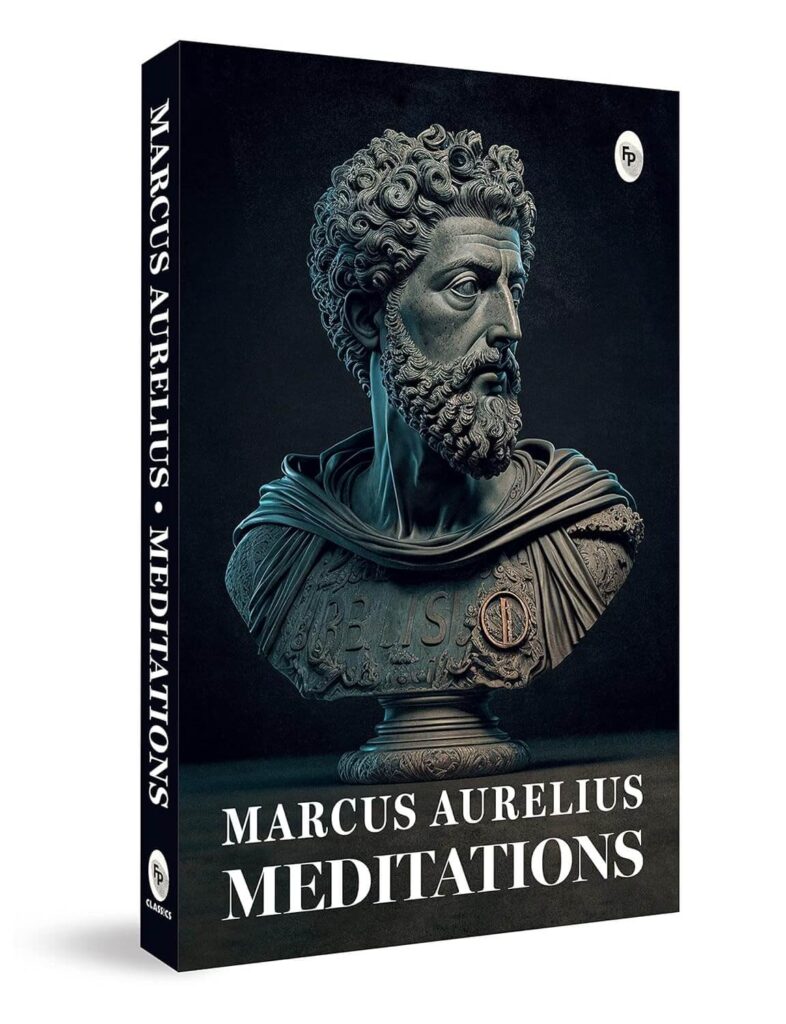
1. Meditations by Marcus Aurelius
Description
Written by a Roman emperor, this book is a collection of personal reflections on discipline, responsibility, humility, and resilience. Marcus Aurelius explores Stoic philosophy in a practical and honest way. His writings focus on controlling your thoughts, accepting fate, and living virtuously. Even though it was written nearly two thousand years ago, its wisdom still feels modern and powerful.
Why to read it
Because it teaches emotional control, strength, and calm thinking in difficult times.
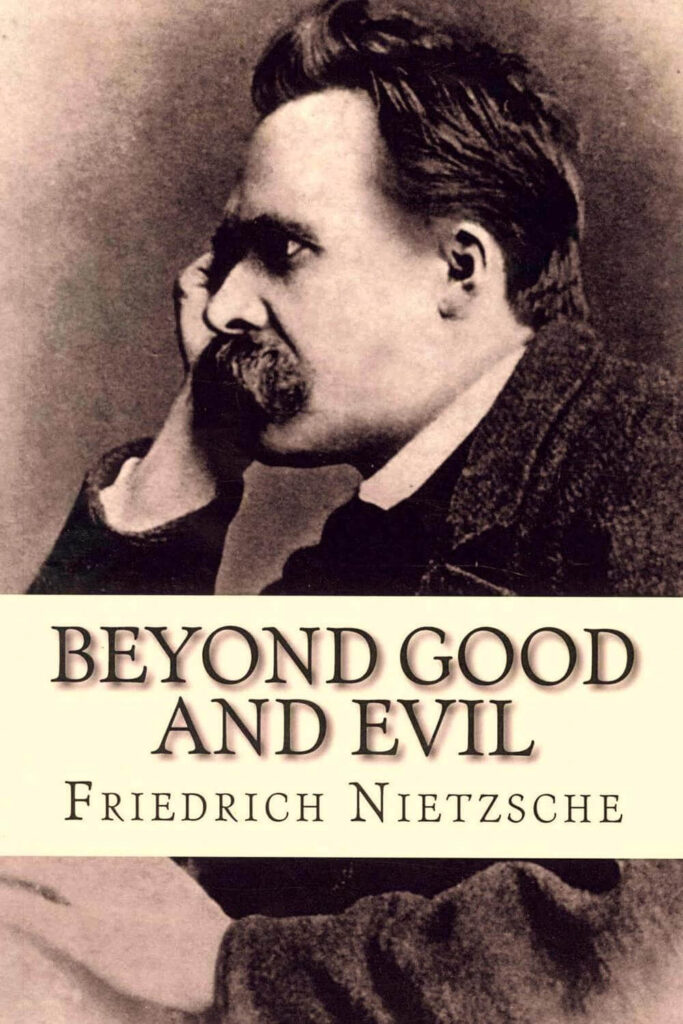
2. Beyond Good and Evil by Friedrich Nietzsche
Description
Nietzsche challenges traditional morality and encourages independent thinking. He questions religion, societal norms, and conventional beliefs about truth. This book pushes readers to think critically and create their own values rather than blindly accepting inherited ideas. It is bold, complex, and intellectually stimulating.
Why to read it
Because it encourages deep thinking and intellectual independence.
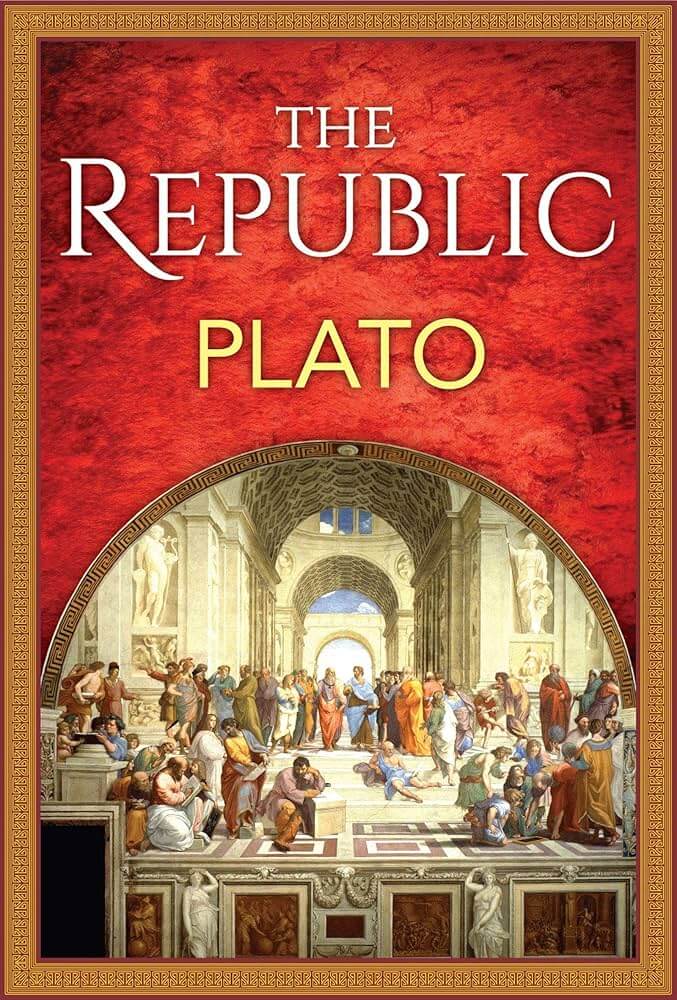
3. The Republic by Plato
Description
One of the foundational texts of Western philosophy, The Republic explores justice, politics, ethics, and the nature of reality. Through dialogues led by Socrates, Plato discusses the ideal society and the concept of the philosopher king. The book also introduces the famous Allegory of the Cave, which explores perception and truth.
Why to read it
Because it builds a foundation for understanding politics, ethics, and knowledge.
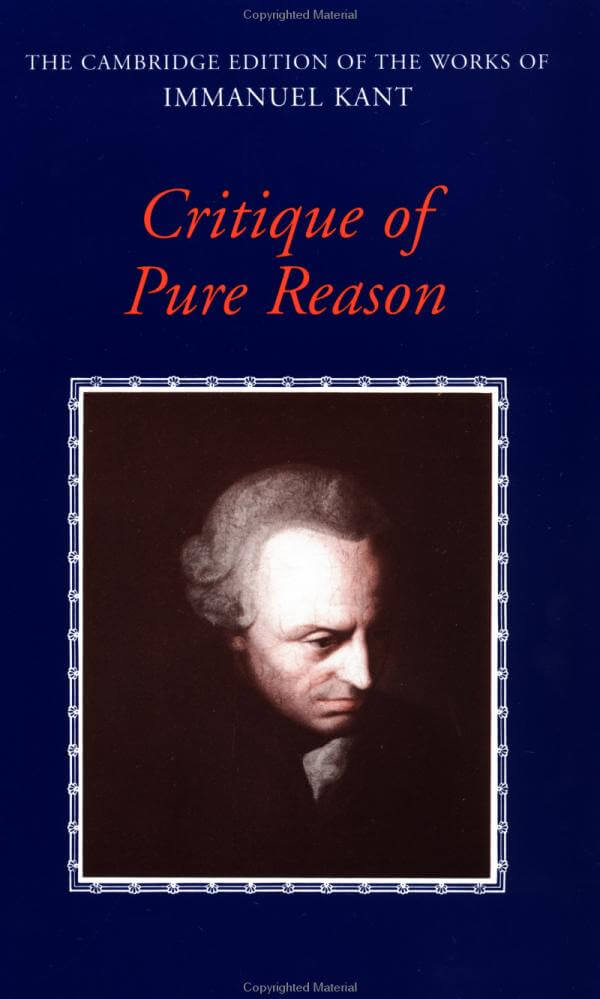
4. Critique of Pure Reason by Immanuel Kant
Description
This influential philosophical work examines how human knowledge is formed. Kant investigates the limits of reason and how we understand reality. Though complex, the book reshaped modern philosophy by bridging rationalism and empiricism. It encourages disciplined thinking about perception and truth.
Why to read it
Because it challenges you to think deeply about how you know what you know.
5. Being and Nothingness by Jean Paul Sartre
Description
A key text in existential philosophy, this book explores freedom, responsibility, and consciousness. Sartre argues that humans are radically free and must create their own meaning in life. The book examines identity, choice, and personal responsibility in a profound way.
Why to read it
Because it helps you understand freedom and accountability in shaping your life.
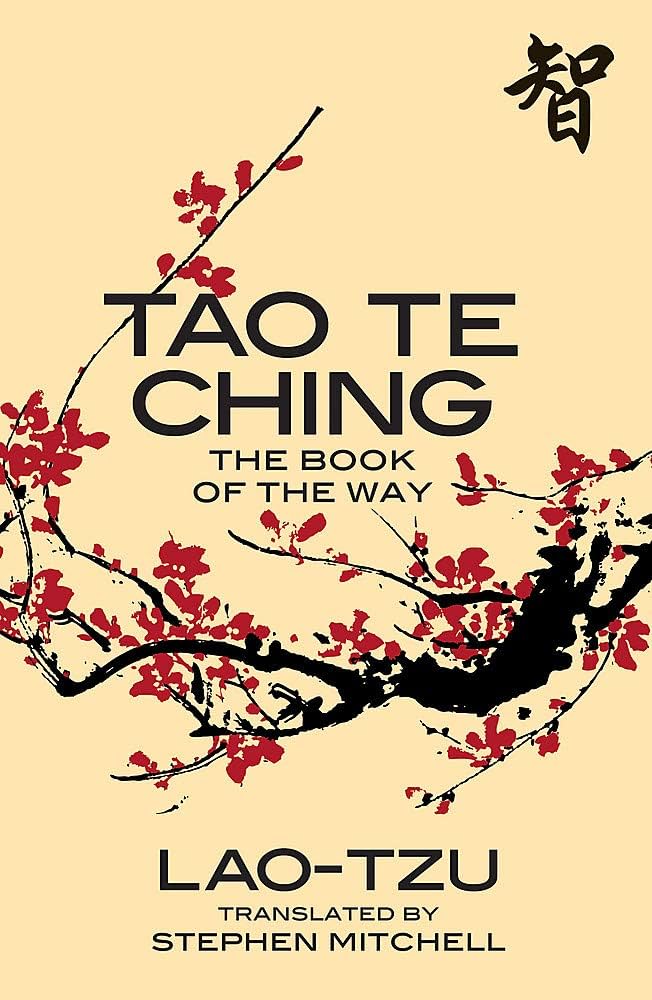
6. The Tao Te Ching by Laozi
Description
An ancient Chinese philosophical text, The Tao Te Ching focuses on balance, simplicity, humility, and harmony with nature. It presents wisdom through poetic verses that encourage gentle leadership and inner peace. Its teachings are subtle yet deeply transformative.
Why to read it
Because it offers calm, balanced perspectives on life and power.
7. Thus Spoke Zarathustra by Friedrich Nietzsche

Description
This philosophical novel introduces Nietzsche’s idea of the overman and self transcendence. Through poetic storytelling, Nietzsche explores individual growth, courage, and breaking societal expectations. It is symbolic, intense, and thought provoking.
Why to read it
Because it inspires self development and personal transformation.
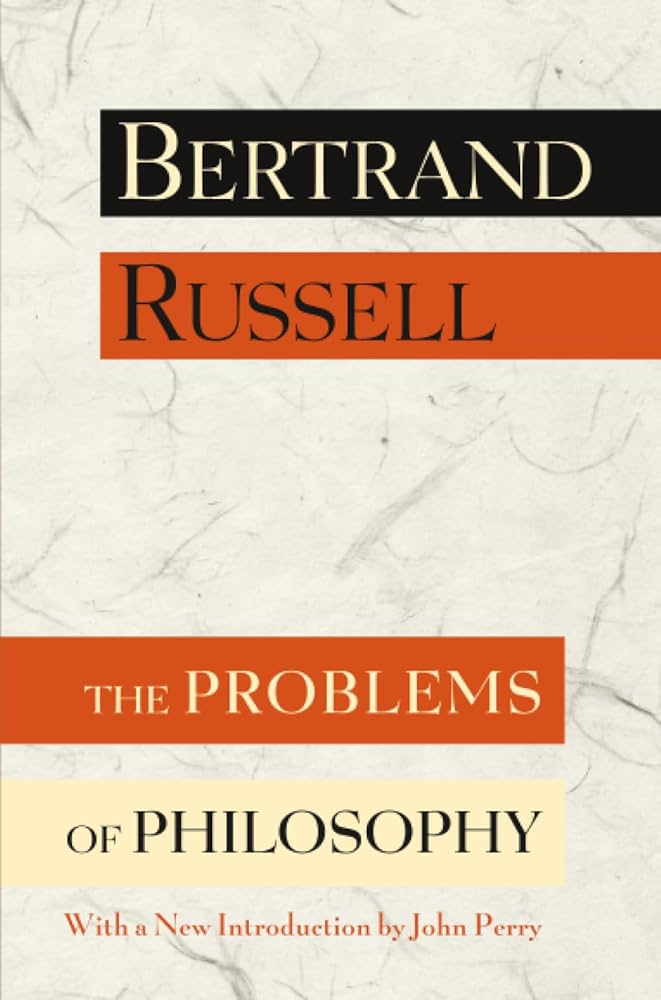
8. The Problems of Philosophy by Bertrand Russell
Description
This book serves as a clear introduction to major philosophical questions. Russell explains complex ideas about knowledge, reality, and perception in accessible language. It is ideal for beginners who want to explore philosophy without feeling overwhelmed.
Why to read it
Because it builds a strong foundation for philosophical thinking.
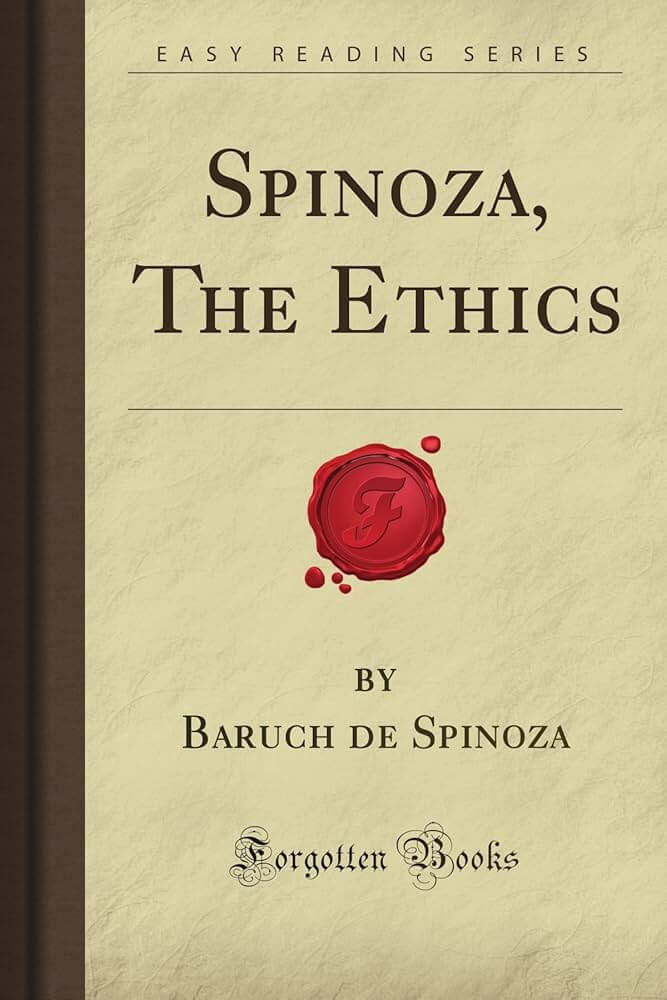
9. The Ethics by Baruch Spinoza
Description
Spinoza presents a systematic exploration of ethics, emotions, and the nature of God and reality. He connects reason with virtue and argues that understanding nature leads to freedom. Though challenging, the book rewards patient readers with profound insight.
Why to read it
Because it connects logic, morality, and emotional understanding.
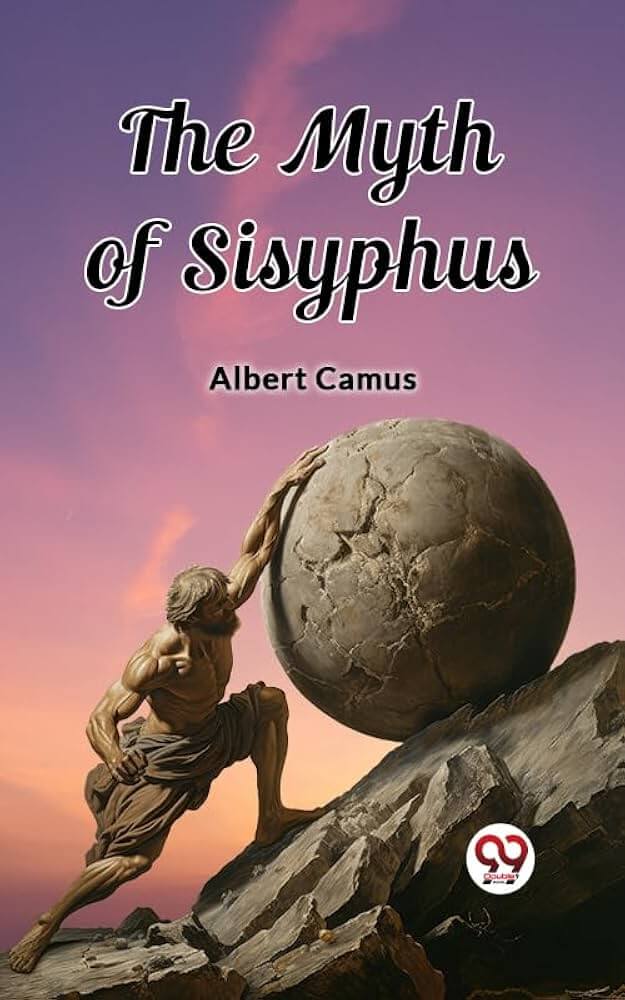
10. The Myth of Sisyphus by Albert Camus
Description
Camus examines the concept of the absurd, the tension between our search for meaning and the universe’s silence. He argues that even in an absurd world, we can choose to live with courage and rebellion. The book encourages acceptance and resilience.
Why to read it
Because it teaches how to find strength even when life feels uncertain.
Conclusion
Philosophy challenges you to slow down and think. It does not provide simple answers but invites deeper questions. These books span Stoicism, existentialism, rationalism, ethics, and Eastern wisdom. Together, they help you reflect on purpose, freedom, morality, truth, and identity.
You do not need to understand everything at once. Philosophy is meant to be read slowly and thoughtfully. Even a few pages can spark powerful insights. When you engage with these ideas, you train your mind to think clearly, question wisely, and live more consciously.The journey into philosophy is not about finding final answers. It is about developing a sharper, wiser, and more reflective mind.