Entrepreneurship is more than starting a business. It’s a mindset that blends vision, resilience, creativity, strategy and execution. Successful entrepreneurs learn from the experiences of others , including those who have built global brands, failed forward, pivoted through uncertainty, innovated markets, and led teams with purpose. These books are among the most respected in the …

Entrepreneurship is more than starting a business. It’s a mindset that blends vision, resilience, creativity, strategy and execution. Successful entrepreneurs learn from the experiences of others , including those who have built global brands, failed forward, pivoted through uncertainty, innovated markets, and led teams with purpose. These books are among the most respected in the world for anyone who wants to grow a business or shape their own entrepreneurial journey.
1. The Lean Startup – Eric Ries

Description:
Eric Ries revolutionized startup thinking with lean principles. Instead of building perfect products in isolation, he teaches entrepreneurs how to “build-measure-learn” quickly. You launch early with a basic product (a Minimal Viable Product), collect real user feedback, and improve continuously. This reduces wasted time, cuts costs, and accelerates meaningful growth.
Why to read it
Because rapid testing and learning is the foundation of smart entrepreneurship.
2. Zero to One – Peter Thiel

Description:
Peter Thiel, co-founder of PayPal, challenges entrepreneurs to create something truly new rather than improving what already exists. Going “zero to one” means building unique value that didn’t exist before instead of copying others. This book is full of contrarian thinking and strategic insight.
Why to read it
Because real breakthroughs come from originality, not imitation.
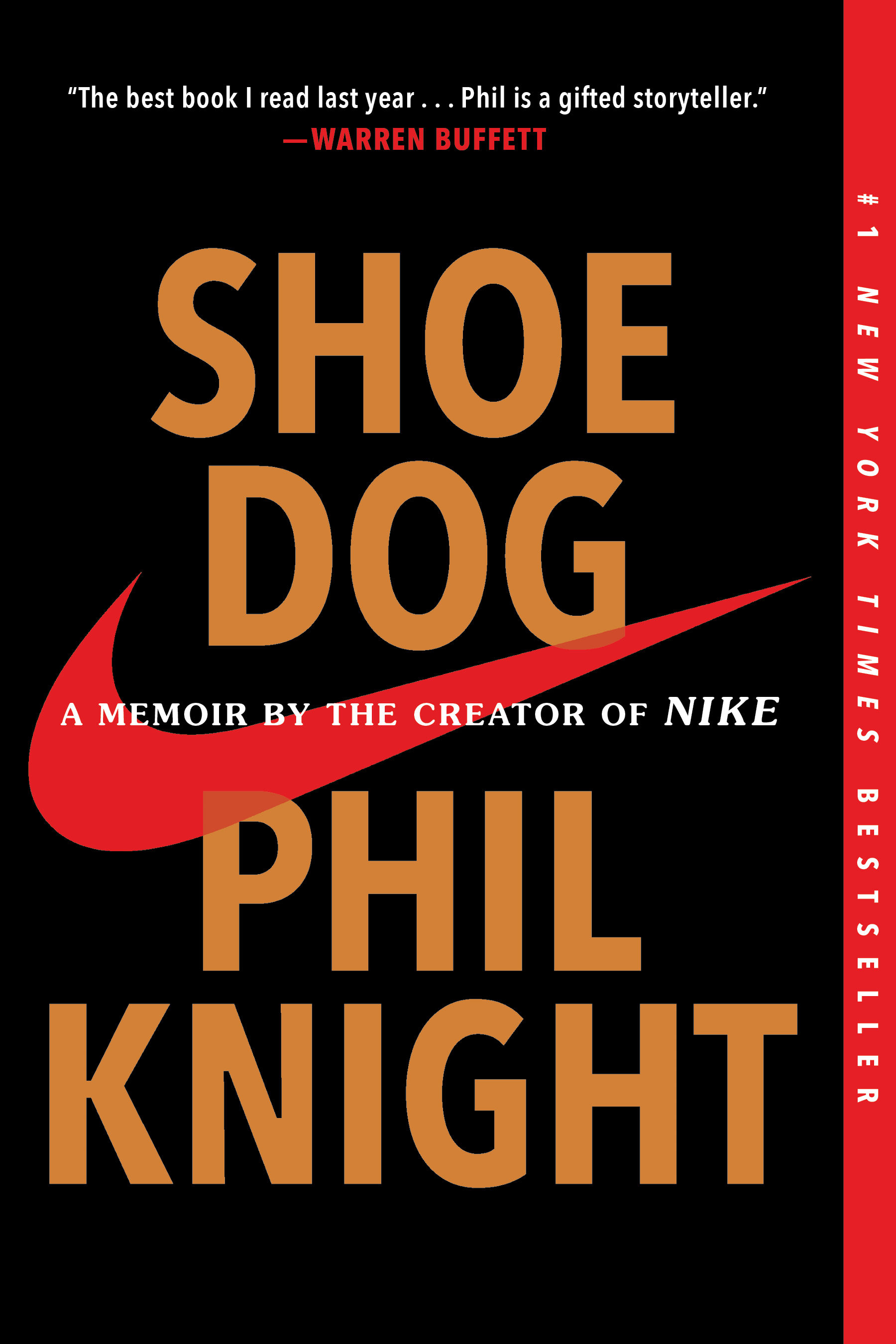
3. Shoe Dog – Phil Knight
Description:
Nike’s co-founder tells the honest, raw story of building a global business from scratch. This memoir reveals the fear, uncertainty, resilience, risk and sheer persistence behind success. It is inspiring, vulnerable, and packed with lessons on leadership, courage, and endurance.
Why to read it
Because real entrepreneurial journeys are full of risk and grit, not just success.
4. The Hard Thing About Hard Things – Ben Horowitz

Description:
Ben Horowitz, a legendary Silicon Valley CEO, takes you inside the painful decisions and challenges every founder faces. From layoffs to leadership challenges, from crisis moments to market setbacks, this book doesn’t sugarcoat anything. It is full of practical wisdom you rarely hear from polished success stories.
Why to read it
Because entrepreneurship is tough , and honesty builds real strength.
5. The $100 Startup – Chris Guillebeau

Description:
Not all businesses start with big money or big plans. This book shows how ordinary people built profitable ventures with very small investment. It focuses on passion + skills + action rather than waiting for perfect conditions. It’s grounded, practical and extremely relevant for independent founders.
Why to read it
Because great businesses can start with small steps and smart action.
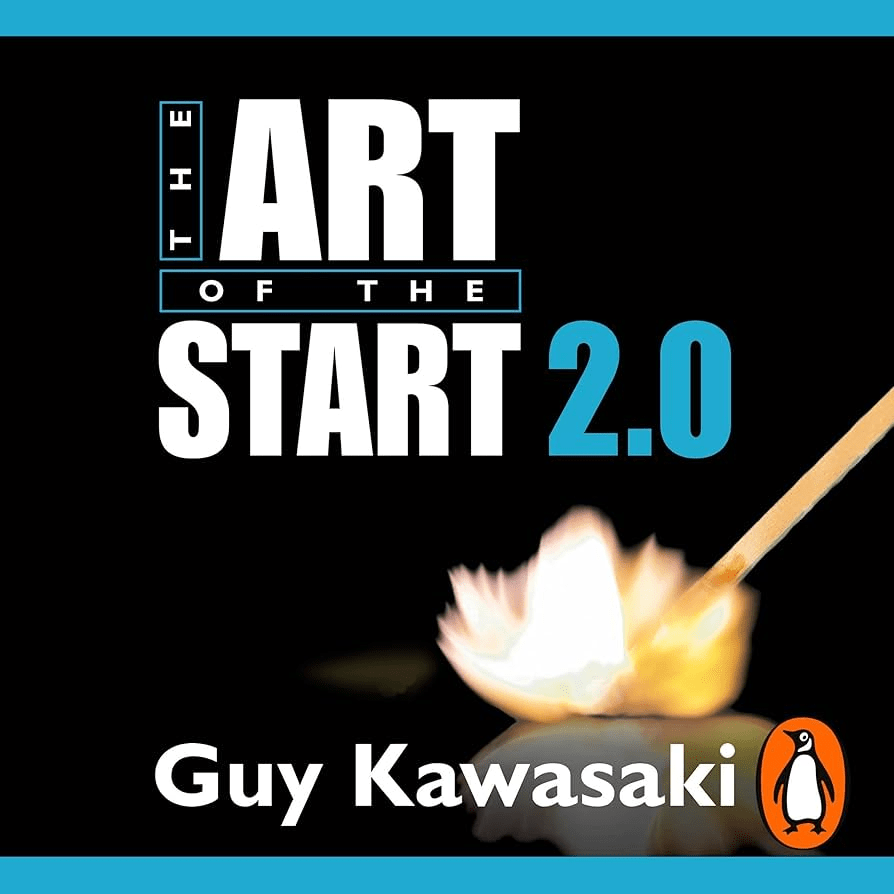
6. The Art of the Start 2.0 – Guy Kawasaki
Description:
This updated guide is a complete playbook for launching ideas into businesses. Guy Kawasaki touches on pitching, funding, brand building, positioning, and teamwork. He adds practical checklists and tips for modern founders.
Why to read it
Because it covers the “how-to” of starting and scaling a business.
7. Rework – Jason Fried & David Heinemeier Hansson

Description:
Rework challenges traditional business advice and structures. It encourages minimalism, speed, clarity, and focus instead of long plans and unnecessary complexity. It’s direct, short, and full of actionable ideas for modern entrepreneurs.
Why to read it
Because simplicity and smart focus beat overplanning.
8. Start with Why – Simon Sinek

Description:
Simon Sinek explains that the most influential leaders and companies begin with why , purpose , before explaining how or what they do. Purpose becomes a compass, guiding teams, customers, and culture.
Why to read it
Because clarity of purpose creates loyalty, direction, and meaningful growth.
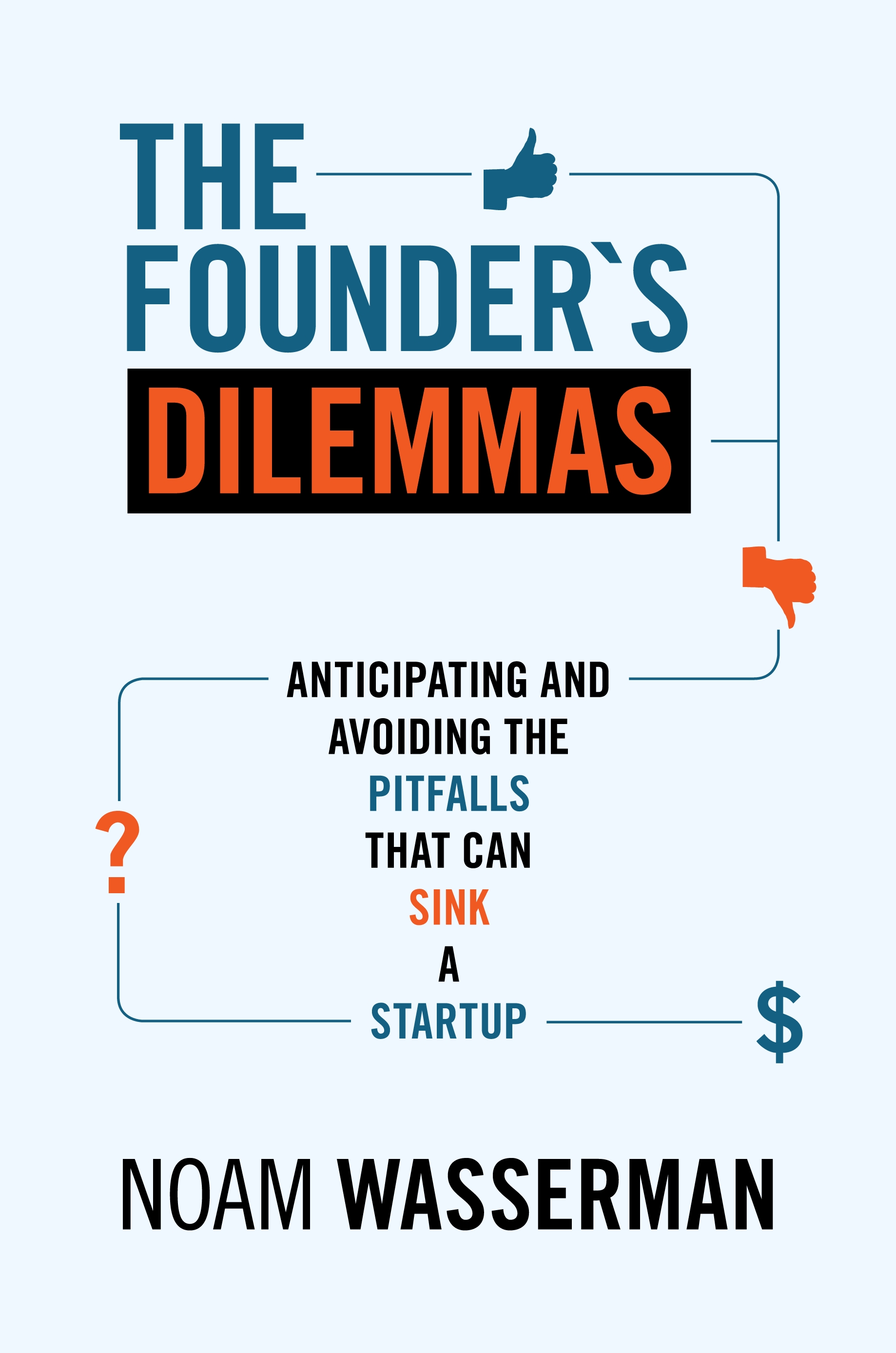
9. The Founder’s Dilemmas – Noam Wasserman
Description:
This book dives into the tricky decisions founders must make , equity splits, co-founder selection, hiring, and leadership. Built on research and real startup data, it helps avoid common business traps.
Why to read it
Because early decisions shape long-term success or failure.
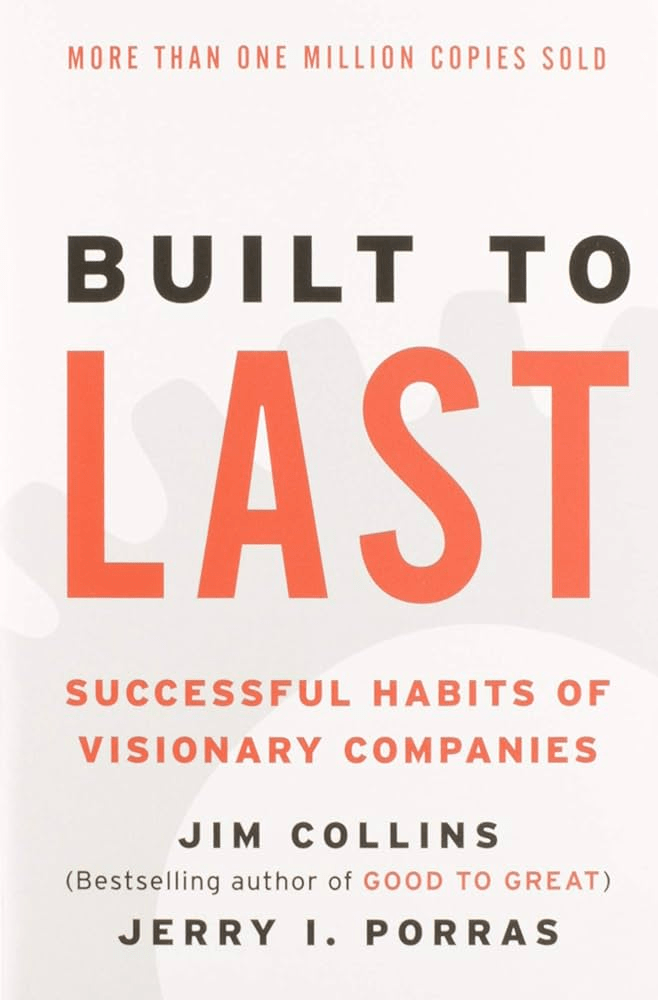
10. Built to Last – Jim Collins & Jerry I. Porras
Description:
This book explores visionary companies that sustained success for decades. It looks at values, culture, focus, and long-term thinking. It is ideal for entrepreneurs who want lasting impact beyond short bursts of growth.
Why to read it
Because sustainability beats quick wins.
11. Good to Great – Jim Collins

Description:
This influential business book compares companies that achieved greatness with those that remained average. It highlights disciplined leadership, talent, culture, and focus.
Why to read it
Because strategy and discipline drive long-term business growth.
12. Measure What Matters – John Doerr

Description:
This book introduces OKRs (Objectives and Key Results), a goal-alignment and performance framework used by Google and other leading companies. It helps entrepreneurs clarify priorities, stay accountable, and measure what truly matters.
Why to read it
Because strategy only works when results are tracked with clarity.
13. The Innovator’s Dilemma – Clayton M. Christensen

Description:
This classic explains why even great companies fail if they ignore disruptive technologies. It teaches entrepreneurs to watch change, invest in novelty, and avoid complacency.
Why to read it
Because disruption waits for no one.
14. Good Strategy Bad Strategy – Richard Rumelt

Description:
Richard Rumelt breaks down what makes strategy effective versus ineffective. He emphasizes focus, diagnosis of the problem, coordinated action, and clear execution. It’s practical and rooted in real business scenarios.
Why to read it
Because clarity and focus are essential for entrepreneurial strategy.
15. The Startup Way – Eric Ries

Description:
A sequel to The Lean Startup, this book shows how entrepreneurial thinking can scale inside large organizations. It bridges startup culture and corporate growth, helping leaders innovate continuously.
Why to read it
Because entrepreneurship is a mindset , not just a small business idea.
Conclusion
Entrepreneurship is a continuous journey of learning, risk-taking, resilience, experimentation, and self-discovery. These books offer inspiration, frameworks, strategy, culture lessons, and real founder stories that help you navigate each stage of that journey. You might start with mindset books, then move into strategy, case studies, and measurement frameworks. The most important thing is to read with curiosity and apply what you learn. Entrepreneurship rewards thinkers who act , not just learners who wait.Keep reading.