Business strategy is the art of making the right decisions at the right time. It determines how a company competes, creates value, grows profitably, and survives disruption. Great strategy isn’t just about clever tactics; it’s about deep insights into markets, customers, people, and sustainable competitive advantage. Whether you’re a business owner, manager, executive, entrepreneur, or …

Business strategy is the art of making the right decisions at the right time. It determines how a company competes, creates value, grows profitably, and survives disruption. Great strategy isn’t just about clever tactics; it’s about deep insights into markets, customers, people, and sustainable competitive advantage.
Whether you’re a business owner, manager, executive, entrepreneur, or student, learning strategy will help you make smarter decisions, anticipate change, and lead your organization with confidence.
Here are some of the best business strategy books of all time that offer timeless wisdom, practical frameworks, and real-world examples.
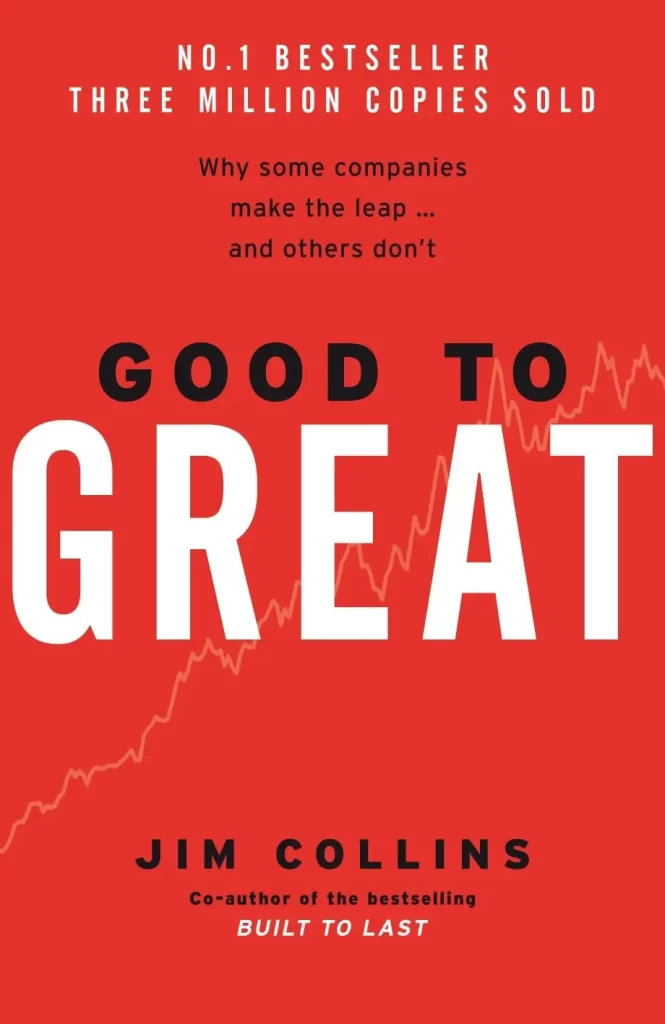
1. Good to Great by Jim Collins
Description
This influential book explains why some companies make the leap from good to truly great and others don’t. Jim Collins and his research team studied companies that sustained long-term performance and identified key factors like disciplined people, disciplined thought, and disciplined action. Concepts such as the Hedgehog Concept and Level 5 Leadership have become staples in strategic thinking.
Why to read it
Because understanding what drives long-term success helps shape lasting business strategies.
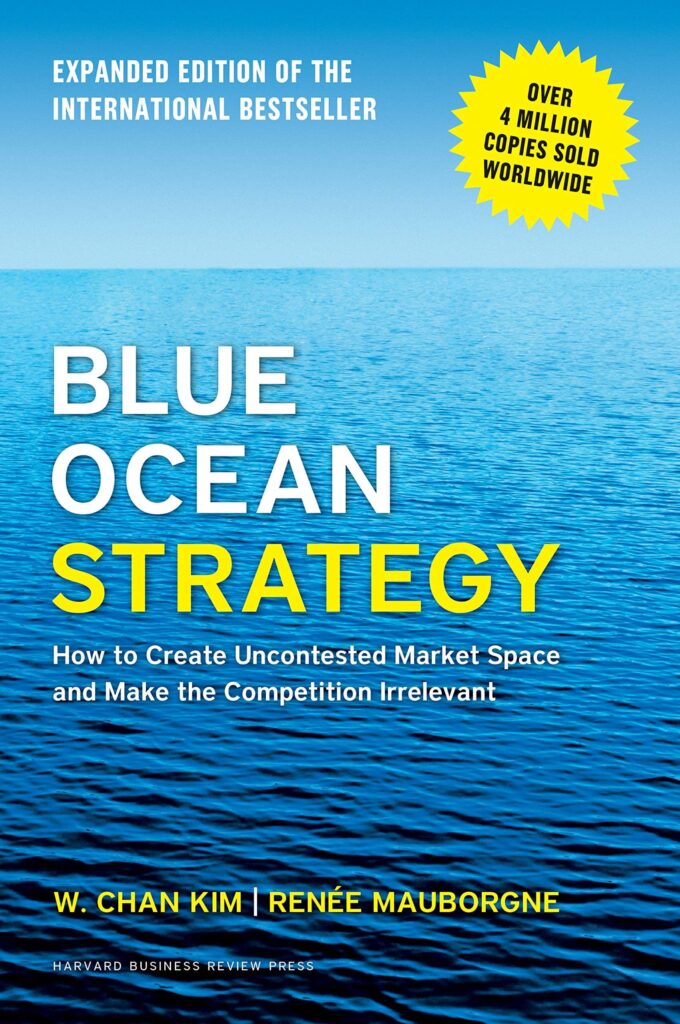
2. Blue Ocean Strategy by W. Chan Kim and Renée Mauborgne
Description
This book teaches how to create uncontested market spaces, or “blue oceans,” instead of competing in overcrowded industries. It provides systematic tools for value innovation , creating new demand while reducing costs. The strategy focuses on opportunity, differentiation, and creating new customer value rather than fighting over existing customers.
Why to read it
Because winning markets often means creating new ones rather than battling rivals.
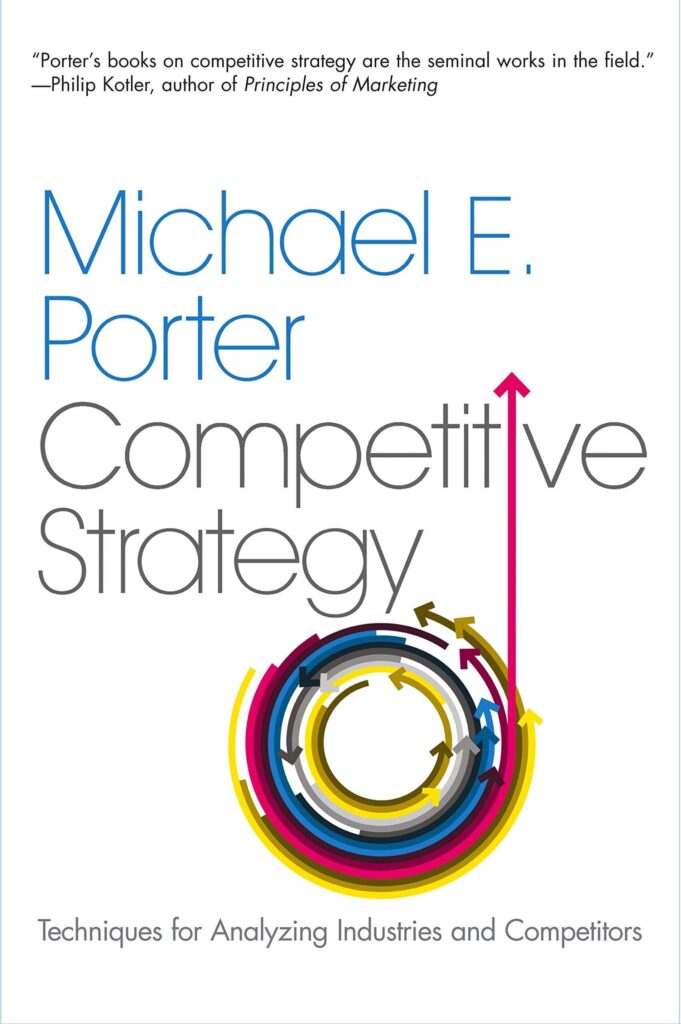
3. Competitive Strategy by Michael E. Porter
Description
One of the most influential strategy books ever written, Porter introduces frameworks like the Five Forces Model and generic competitive strategies (cost leadership, differentiation, focus). These tools help leaders understand industry structure and choose the right position for sustainable advantage.
Why to read it
Because deep industry insight is the foundation of strategic decisions.
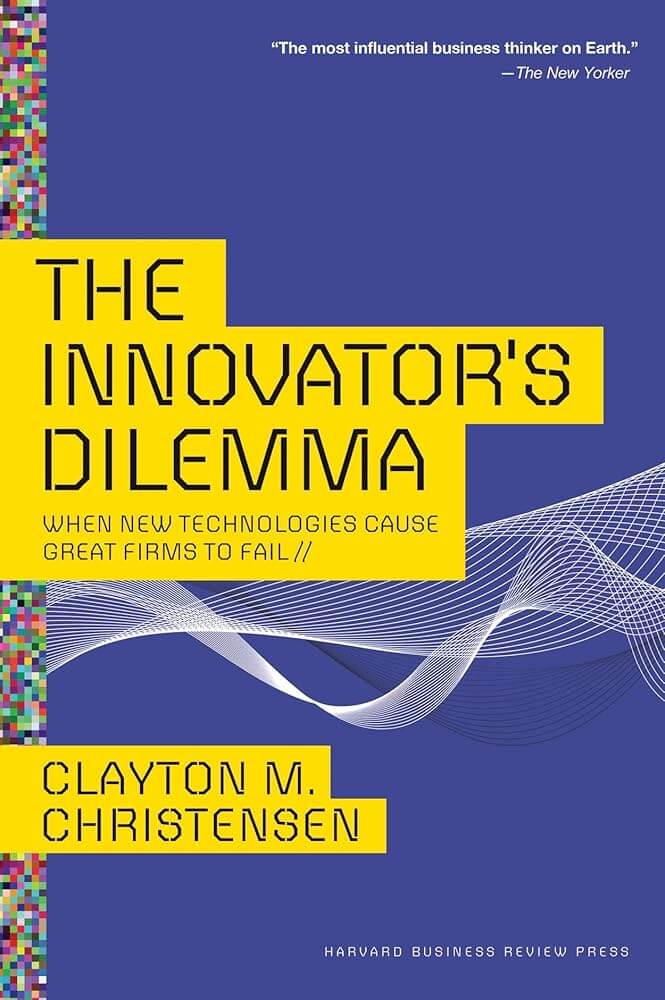
4. The Innovator’s Dilemma by Clayton M. Christensen
Description
This book explains why successful companies often fail when disruptive technologies emerge. Christensen introduces the concept of disruptive innovation , how small, initially inferior technologies can eventually overtake established players. It urges companies to embrace change, experiment, and build adaptive strategy.
Why to read it
Because the ability to innovate consistently is essential for long-term survival.
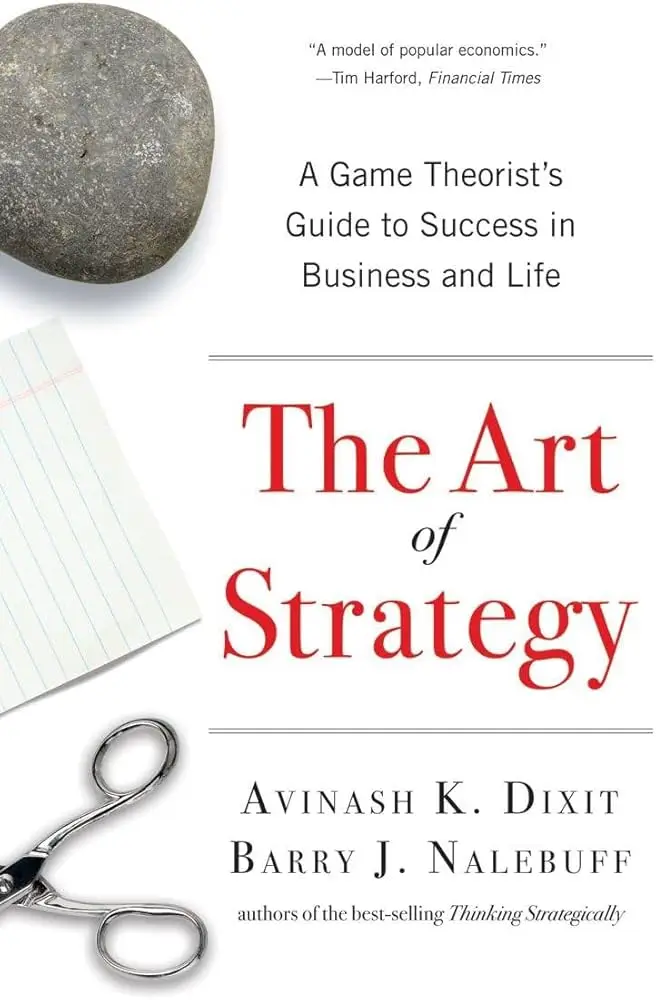
5. The Art of Strategy by Avinash K. Dixit and Barry J. Nalebuff
Description
This book applies game theory to business strategy and everyday decisions. The authors show how strategic thinking involves anticipating others’ reactions and planning accordingly. It’s intellectually rich yet accessible, providing powerful insights about negotiation, competition, and strategic interaction.
Why to read it
Because strategy is not just planning , it’s anticipating and responding effectively.
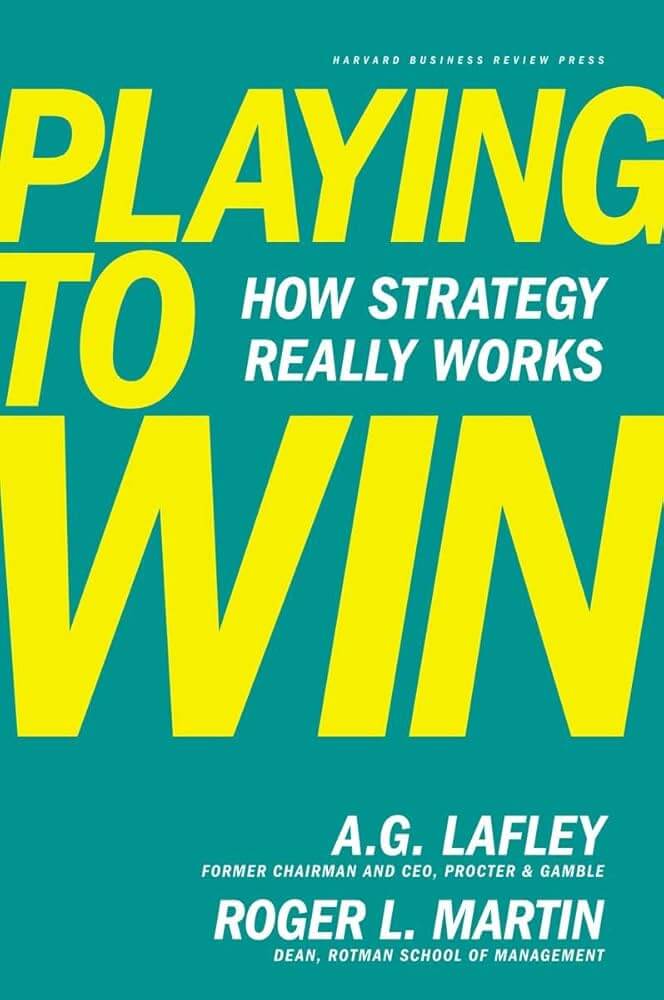
6. Playing to Win by A.G. Lafley and Roger L. Martin
Description
Written by the former CEO of Procter & Gamble and a leading strategist, this book provides a practical strategy framework that defines winning choices. It focuses on where to play, how to win, and how to build capabilities and systems that deliver sustainable results. It’s a highly actionable strategy playbook.
Why to read it
Because strategy must result in choices that lead to winning in reality, not just on paper.
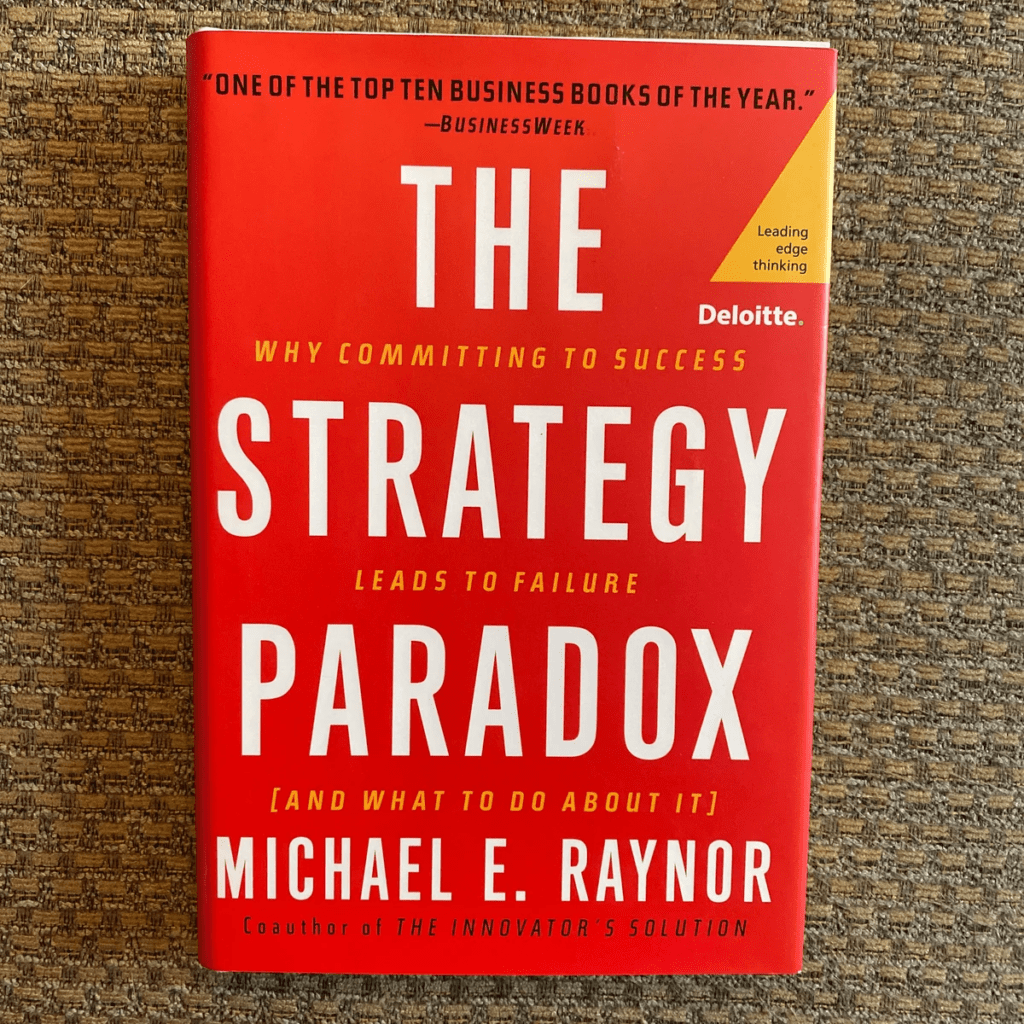
7. The Strategy Paradox by Michael E. Raynor
Description
This book examines a central tension in strategy: the trade-off between committing to a particular path and the uncertainty of the future. Raynor offers tools for managing risk and creating flexible strategies that adapt to change.
Why to read it
Because uncertainty is the heart of strategic decision making.
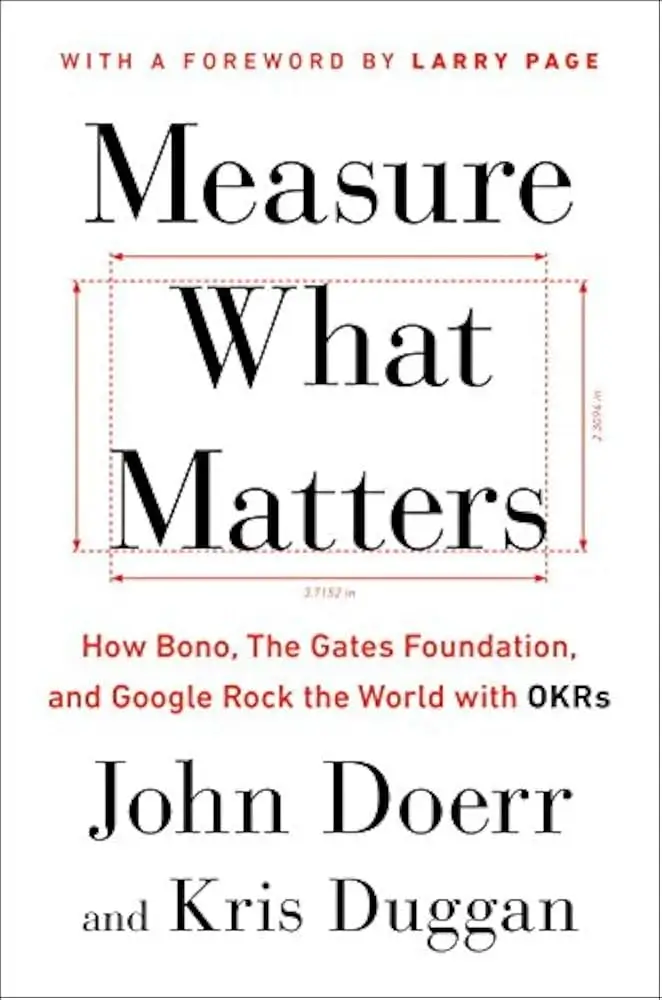
8. Measure What Matters by John Doerr
Description
This book introduces OKRs (Objectives and Key Results), a goal-setting framework used by Google, Intel, and other high-performing companies. It explains how clear, measurable objectives can align teams, drive focus, and boost performance. It mixes real examples with strategic guidance.
Why to read it
Because strategy works when it’s measurable and aligned with action.
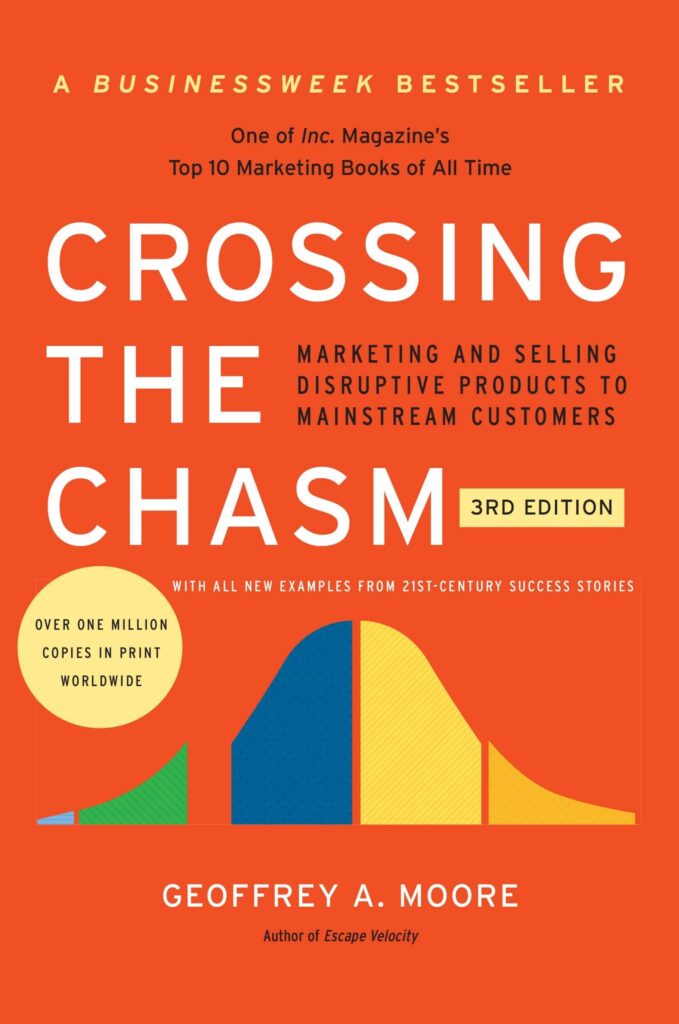
9. Crossing the Chasm by Geoffrey A. Moore
Description
Focused on technology adoption, this book explains how companies can move from early adopters to mass market customers. Moore introduces strategic models for understanding customer segments and building growth momentum. It’s especially useful for startups and innovation-driven companies.
Why to read it
Because understanding market adoption is key to strategic growth.
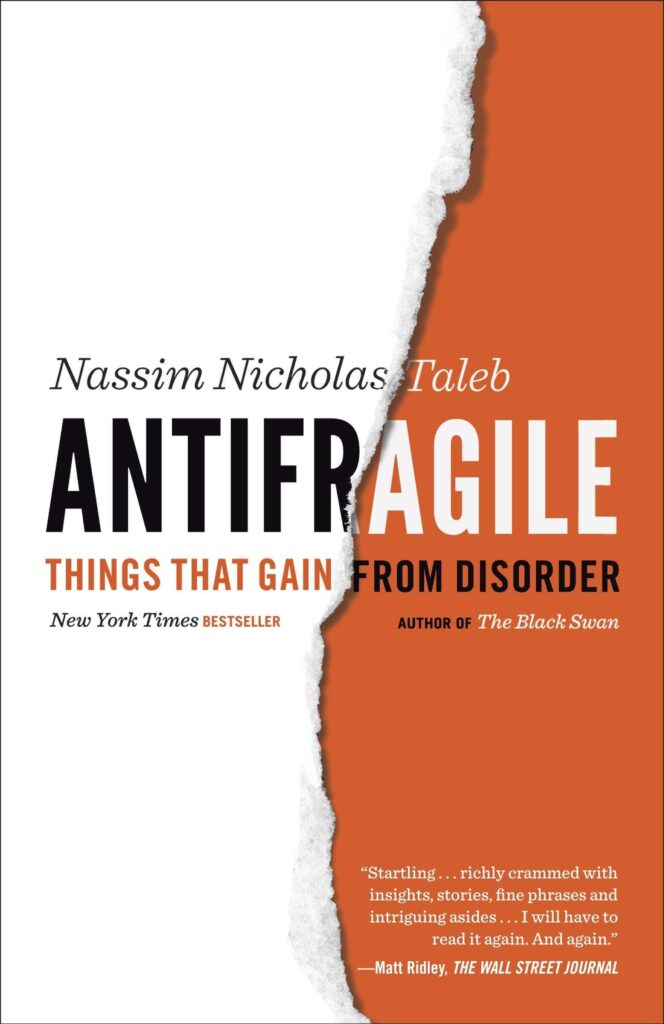
10. Antifragile by Nassim Nicholas Taleb
Description
Antifragile explores how systems, businesses, and individuals can benefit from stress, volatility, and change instead of merely surviving them. Taleb combines philosophy with strategy, encouraging readers to design systems that grow stronger with challenge.
Why to read it
Because strategic advantage comes from embracing uncertainty and risk wisely.
Conclusion
Business strategy is both a science and an art. It requires deep understanding of markets, customers, competition, uncertainty, and long-term thinking. The books above blend research, frameworks, real world stories, and strategic frameworks that can help you navigate real business challenges.
You do not need to read all of them at once. Choose the ones that align with your current business goals or challenges. Reflect on the lessons, discuss them with peers, and incorporate the insights into your daily strategy.With strategic thinking, focus, and adaptability, you can build resilient organizations and sustainable success.