Stress is a natural part of life, but when it becomes overwhelming, it can affect both mental and physical well-being. Learning how to manage stress effectively is essential for maintaining balance, focus, and emotional health. Books on stress management often combine psychology, mindfulness, and practical lifestyle strategies to help people handle pressure and build resilience. …

Stress is a natural part of life, but when it becomes overwhelming, it can affect both mental and physical well-being. Learning how to manage stress effectively is essential for maintaining balance, focus, and emotional health. Books on stress management often combine psychology, mindfulness, and practical lifestyle strategies to help people handle pressure and build resilience. Many experts emphasize techniques such as mindfulness, cognitive restructuring, and healthier daily habits to cope with stress and improve overall well-being. The following books offer valuable insights and practical tools to help readers understand stress and develop healthier ways to deal with it.
1. How to Stop Worrying and Start Living — Dale Carnegie

Why to Read:
This classic self-help book focuses on practical ways to overcome worry and anxiety in everyday life. Dale Carnegie shares simple techniques to stop overthinking, deal with criticism, and focus on positive action instead of fear.
2. The Upside of Stress — Kelly McGonigal

Why to Read:
This book offers a unique perspective on stress. Instead of viewing stress as purely harmful, Kelly McGonigal explains how the right mindset can help people use stress as a tool for growth, motivation, and resilience.
3. Full Catastrophe Living — Jon Kabat-Zinn

Why to Read:
This well-known book introduces mindfulness-based stress reduction (MBSR) techniques. Jon Kabat-Zinn explains how meditation, breathing, and awareness can help people reduce stress and improve emotional balance.
4. Stress-Proof — Mithu Storoni

Why to Read:
Written by a neuroscientist, this book explains how stress affects the brain and body. It offers science-based techniques for improving sleep, focus, and daily routines to build resilience against stress.
5. The Relaxation and Stress Reduction Workbook — Martha Davis, Elizabeth Robbins Eshelman & Matthew McKay

Why to Read:
This practical workbook provides step-by-step exercises for relaxation, breathing, and stress management. It is widely used in therapy and counseling to help people develop healthier coping skills.
6. The Power of Now — Eckhart Tolle

Why to Read:
This spiritual classic teaches readers to focus on the present moment instead of worrying about the past or future. By practicing mindfulness and awareness, readers can reduce anxiety and find inner calm.
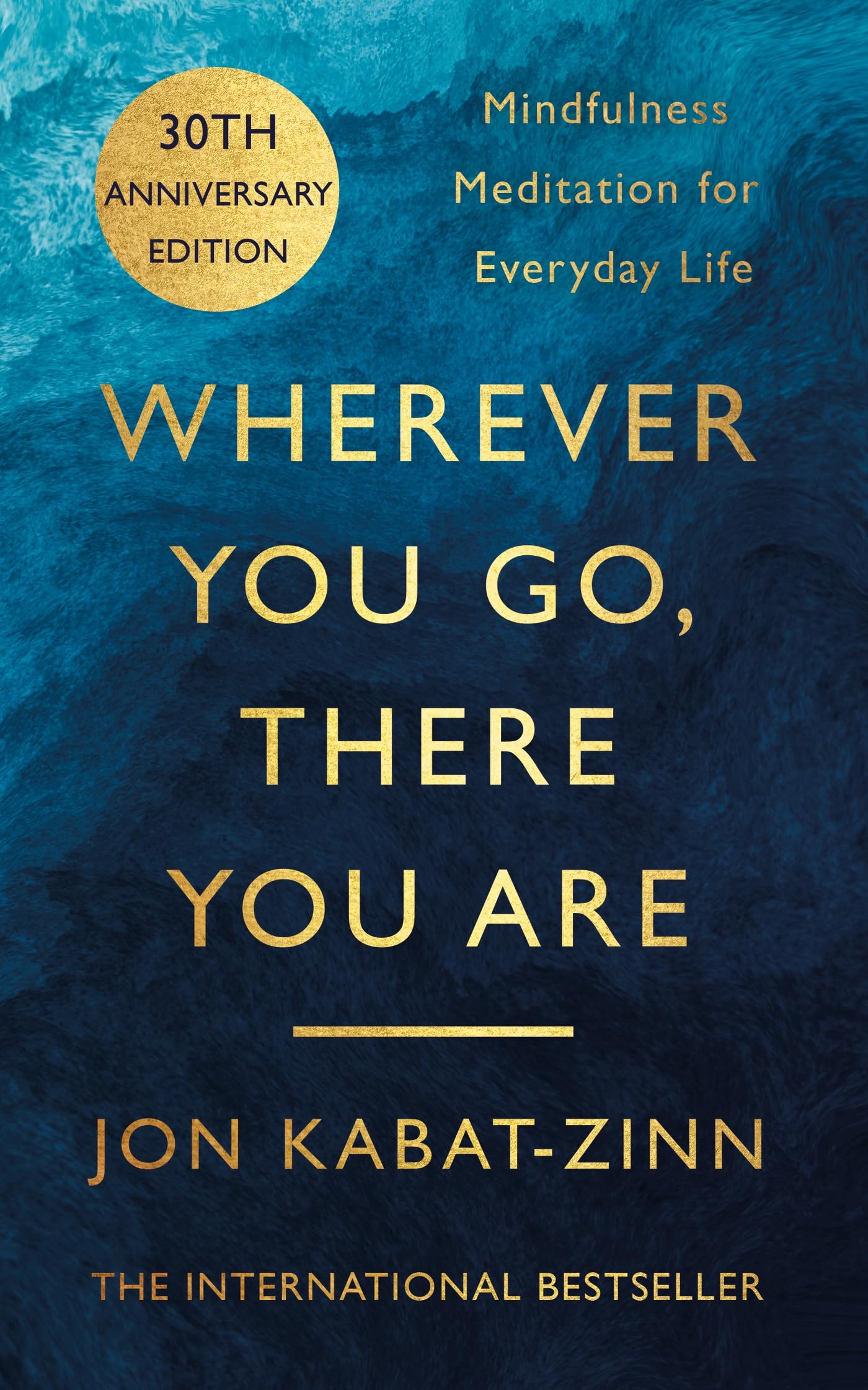
7. Wherever You Go, There You Are — Jon Kabat-Zinn
Why to Read:
This book introduces mindfulness in a simple and accessible way. Jon Kabat-Zinn explains how everyday awareness and meditation can reduce stress and increase clarity and emotional balance.
8. Unwinding Anxiety — Judson Brewer

Why to Read:
This book explores the science behind anxiety and stress habits. Judson Brewer explains how understanding the brain’s habit loops can help people break cycles of worry and develop healthier mental patterns.
9. Letting Go — David R. Hawkins

Why to Read:
This book focuses on releasing negative emotions such as anger, fear, and stress. David Hawkins explains how emotional awareness and acceptance can help people find inner peace and emotional balance.
10. Eliminating Stress, Finding Inner Peace — Brian L. Weiss

Why to Read:
This book combines relaxation techniques, mindfulness, and guided exercises to help readers release physical and emotional tension. It focuses on achieving calmness and emotional healing through self-awareness.
Conclusion
Stress is unavoidable, but how we respond to it can make a huge difference in our well-being. The books in this list provide a wide range of approaches, from mindfulness and neuroscience to practical life strategies, to help readers manage stress more effectively. By learning techniques such as meditation, positive thinking, and emotional awareness, individuals can reduce anxiety, improve focus, and build a healthier mindset. Over time, these insights can help create a calmer, more balanced approach to everyday life.