Artificial Intelligence is rapidly transforming industries, reshaping business strategy, and redefining how we work, learn, and solve problems. For professionals who want to truly understand AI , not just at a surface level but in ways that influence decision-making, strategy, engineering, leadership, and ethical impact , reading widely is one of the best investments you …

Artificial Intelligence is rapidly transforming industries, reshaping business strategy, and redefining how we work, learn, and solve problems. For professionals who want to truly understand AI , not just at a surface level but in ways that influence decision-making, strategy, engineering, leadership, and ethical impact , reading widely is one of the best investments you can make. The books below cover everything from fundamentals and machine learning theory to future trends, socio-economic implications, and how to implement AI in business and engineering contexts.
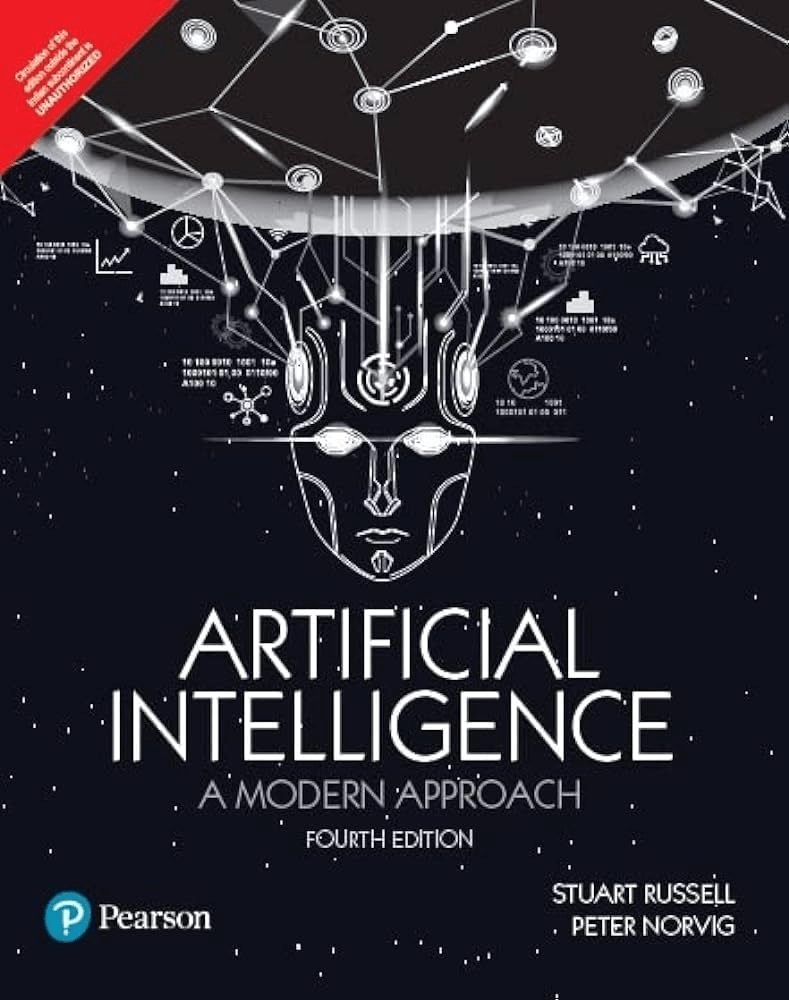
1. Artificial Intelligence: A Modern Approach – Stuart Russell & Peter Norvig
Description:
Considered the definitive textbook for AI, this book covers both foundational theory and practical techniques in AI, including search, knowledge representation, machine learning, reasoning, and robotics. Used widely in top university courses, it remains relevant for professionals who want a deep and rigorous understanding of how AI systems work.
Why to read it
Because mastering core AI principles strengthens your technical and strategic expertise.
2. AI 2041: Ten Visions for Our Future – Chen Qiufan & Kai-Fu Lee

Description:
This book blends fiction with non-fiction to explore how AI technologies could shape different aspects of society by the year 2041. Kai-Fu Lee provides expert context while narrative scenarios illustrate futuristic possibilities, making it both an intellectual and imaginative read for strategists, technologists, and business leaders.
Why to read it
Because it helps you think about AI’s long-term impact on society and business.
3. The Master Algorithm – Pedro Domingos

Description:
Pedro Domingos explains how machine learning algorithms lie at the heart of modern AI. He discusses the idea of a “master algorithm” that could unify all learning paradigms, making AI broadly capable across domains. Clear explanations make it accessible to professionals across disciplines.
Why to read it
Because it demystifies the core concepts behind AI systems.
4. Superintelligence – Nick Bostrom

Description:
Nick Bostrom explores what could happen if AI systems surpass human intelligence. He discusses risk, control problems, and the ethical and strategic questions that arise as machines become more capable. The book is a foundational read for leaders thinking about long-term AI implications.
Why to read it
Because it challenges you to consider what advanced AI means for humanity and governance.
5. Prediction Machines – Ajay Agrawal, Joshua Gans & Avi Goldfarb

Description:
This book frames AI as a technology that reduces the cost of prediction, helping businesses rethink how they make decisions, set strategy, and allocate resources. It bridges AI with economics, offering frameworks that business professionals can use to evaluate AI opportunities.
Why to read it
Because it connects AI capabilities directly to business value and strategy.
6. AI Engineering – Chip Huyen
Description:
Focused on real-world AI application development, this book teaches how modern AI systems are engineered, deployed, and scaled. It goes beyond theory to include infrastructure, pipelines, monitoring, and model maintenance practices that matter for production-grade AI.
Why to read it
Because professionals must know how to build and maintain AI systems effectively.
7. Career & AI: The AI‑Driven Leader – Geoff Woods

Description:
This book helps leaders understand how to leverage AI strategically within organizations. It focuses on leadership transformation, decision-making, and building AI-enabled teams to get a competitive edge in the digital age.
Why to read it
Because AI leadership is as important as technical understanding for professionals.
8. Co‑Intelligence – Ethan Mollick

Description:
This book explores how humans can work alongside AI, creating synergy rather than competition. It emphasizes principles for collaboration between people and intelligent systems, helping professionals stay productive and relevant.
Why to read it
Because future workplaces will depend on effective human-AI cooperation.
9. Atlas of AI – Kate Crawford

Description:
This book takes a step back from engineering to examine AI’s global impact , including ethics, power dynamics, labour, and environmental costs. It’s essential reading for professionals who need to understand implications beyond technical aspects.
Why to read it
Because responsible AI requires understanding societal, ethical, and environmental effects.
10. Hello World – Hannah Fry

Description:
Hannah Fry examines how algorithms and AI shape society , from healthcare and justice to transportation and beyond. The book offers thoughtful discussions on human agency, fairness, bias, and how AI interacts with everyday life.
Why to read it
Because understanding real human-AI impact is crucial for responsible professionals.
11. Life 3.0 – Max Tegmark

Description:
Max Tegmark explores how AI might shape life, consciousness, work, and society as it advances. The book balances technical, ethical, and philosophical perspectives on AI’s future.
Why to read it
Because thinking about long term AI evolution deepens strategic foresight.
12. Deep Learning – Ian Goodfellow, Yoshua Bengio & Aaron Courville

Description:
This book is a foundational reference for deep learning practitioners. It covers neural networks, optimization, generative models, and state-of-the-art architectures, blending math and intuition.
Why to read it
Because deep learning powers most modern AI applications.
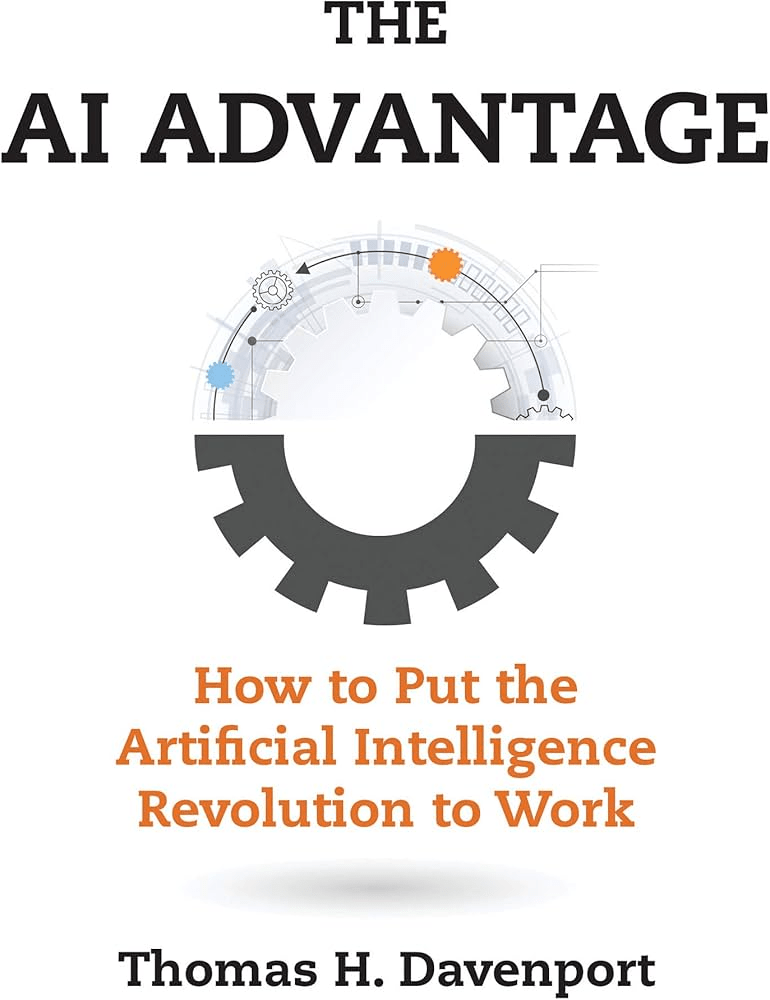
13. The AI Advantage – Thomas H. Davenport
Description:
This book shows how organizations can put AI into practical use and extract business value. Davenport discusses strategy, implementation, and how leaders can benefit from AI adoption.
Why to read it
Because professional success increasingly depends on integrating AI into business processes.
14. Applied Artificial Intelligence – Mariya Yao, Adelyn Zhou & Marlene Jia

Description:
A practical handbook for business leaders seeking to implement AI projects, this book focuses on framework, case studies, governance, and scaling AI initiatives in enterprises.
Why to read it
Because practical AI application knowledge is essential for business professionals.
15. Human Compatible – Stuart Russell

Description:
Stuart Russell examines how AI can be aligned with human values and goals. This book combines technical insight with ethics, philosophy, and society, offering frameworks for designing safe, beneficial AI.
Why to read it
Because aligning AI with human priorities is central to responsible innovation.
Conclusion
Artificial Intelligence is not just a technical field , it influences business strategy, ethics, policy, education, and society as a whole. Professionals who want to stay relevant, informed, and influential can benefit by reading broadly across these topics: foundational theory, engineering practice, ethical implications, strategic implementation, and future trends.
This list blends technical depth with accessible insights that are suitable for engineers, business leaders, product managers, AI practitioners, and strategic thinkers. Start with the books that align with your current goals , whether you’re leading a team, building AI products, or shaping organizational strategy , and expand your knowledge from there.