Bootstrapping a startup is a bold and disciplined way of building a business. It means starting and growing with limited resources, relying on revenue, creativity, and smart execution instead of outside investors. When you bootstrap, you learn to prioritise what truly matters. You focus deeply on customers, control expenses carefully, and build strong foundations before …

Bootstrapping a startup is a bold and disciplined way of building a business. It means starting and growing with limited resources, relying on revenue, creativity, and smart execution instead of outside investors. When you bootstrap, you learn to prioritise what truly matters. You focus deeply on customers, control expenses carefully, and build strong foundations before thinking about expansion.
This approach demands patience, resilience, and clarity. It also gives founders independence and full control over their vision. Many successful companies began as small, self-funded ventures built with consistency and strategic thinking. The following books offer practical advice, real-world experience, and mindset shifts that can help you bootstrap effectively and sustainably.
1. The $100 Startup by Chris Guillebeau
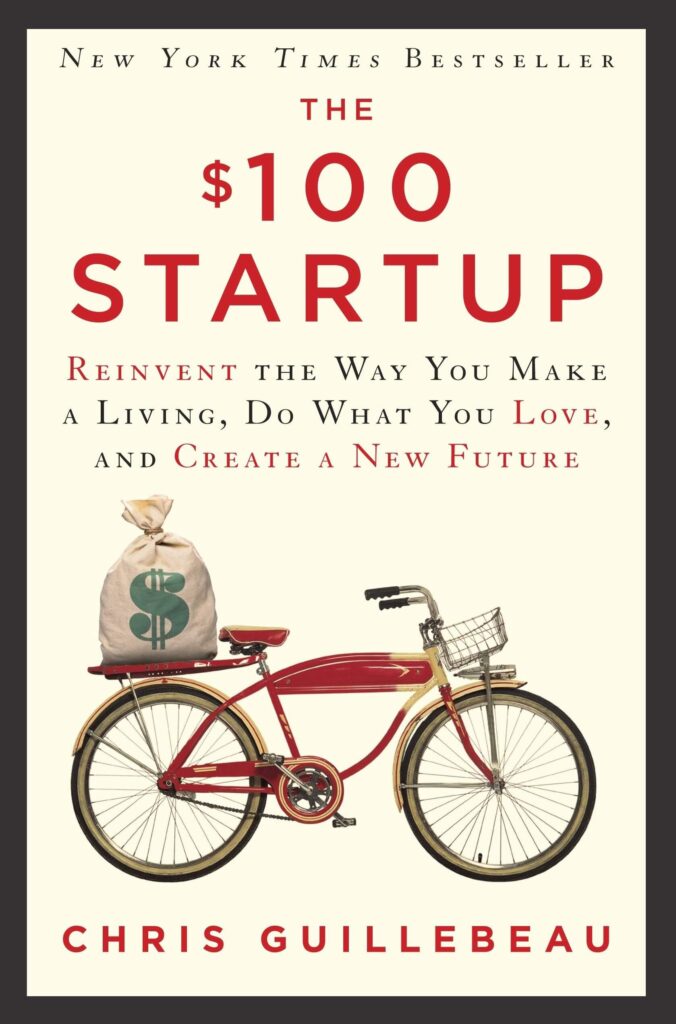
This book highlights real stories of people who started profitable businesses with minimal investment. Chris Guillebeau emphasizes taking action quickly, finding paying customers early, and focusing on skills that create value. The lessons are practical and motivating, especially for first-time founders who feel they need large capital to begin.
Why to read it
Because it proves that starting small does not mean thinking small.
2. Rework by Jason Fried and David Heinemeier Hansson
Rework challenges traditional business thinking. The authors advocate for simplicity, quick execution, and avoiding unnecessary complexity. Instead of writing long business plans, they encourage building, launching, and improving based on real feedback.
Why to read it
Because clarity and simplicity are powerful advantages for bootstrapped startups.
3. The Lean Startup by Eric Ries
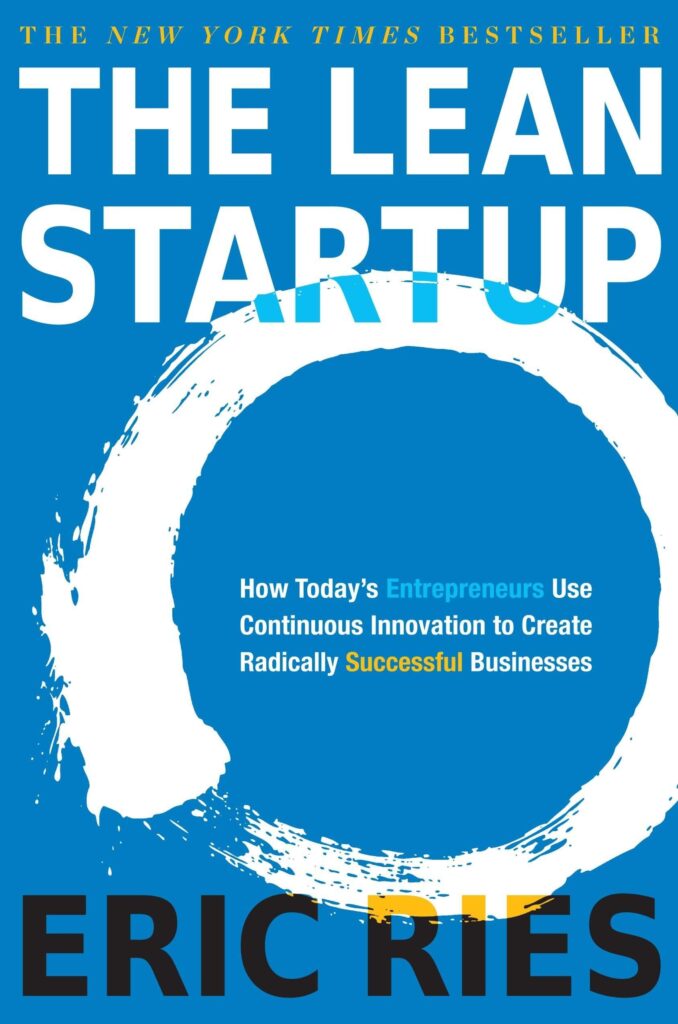
Eric Ries introduces the build measure learn approach, helping entrepreneurs test ideas quickly and efficiently. Instead of investing heavily in unproven concepts, you launch small, gather feedback, and improve continuously. This method reduces risk and protects limited resources.
Why to read it
Because smart experimentation saves both time and money.
4. The Bootstrapper’s Bible by Seth Godin
This book is written specifically for entrepreneurs who are self-funding their ventures. Seth Godin shares practical advice on marketing, sales, positioning, and building customer loyalty. It is direct, focused, and tailored for founders who want independence.
Why to read it
Because it speaks directly to entrepreneurs who choose to grow without outside funding.
5. Company of One by Paul Jarvis
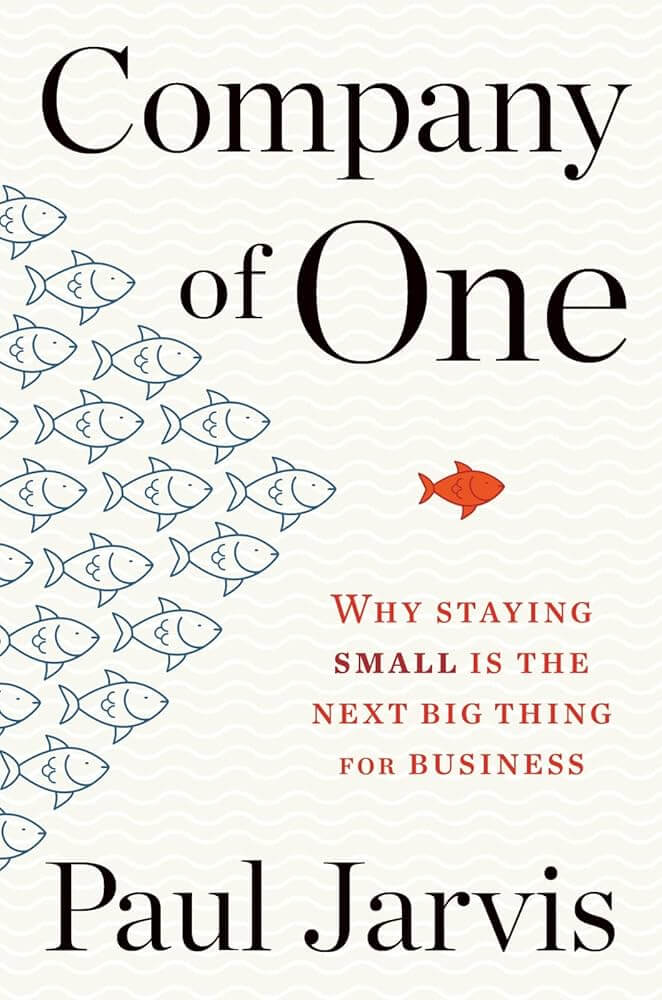
Paul Jarvis argues that growth is not always the ultimate goal. Sometimes staying small, lean, and profitable creates more freedom and stability. The book encourages sustainable success rather than expansion for the sake of appearance.
Why to read it
Because profitability and freedom can be more valuable than rapid scaling.
6. Start Small, Stay Small by Rob Walling
Focused largely on software and online businesses, this book explains how to validate ideas, attract customers, and grow steadily. Rob Walling provides step-by-step guidance for launching without large capital.
Why to read it
Because structured growth reduces unnecessary financial pressure.
7. Will It Fly? by Pat Flynn
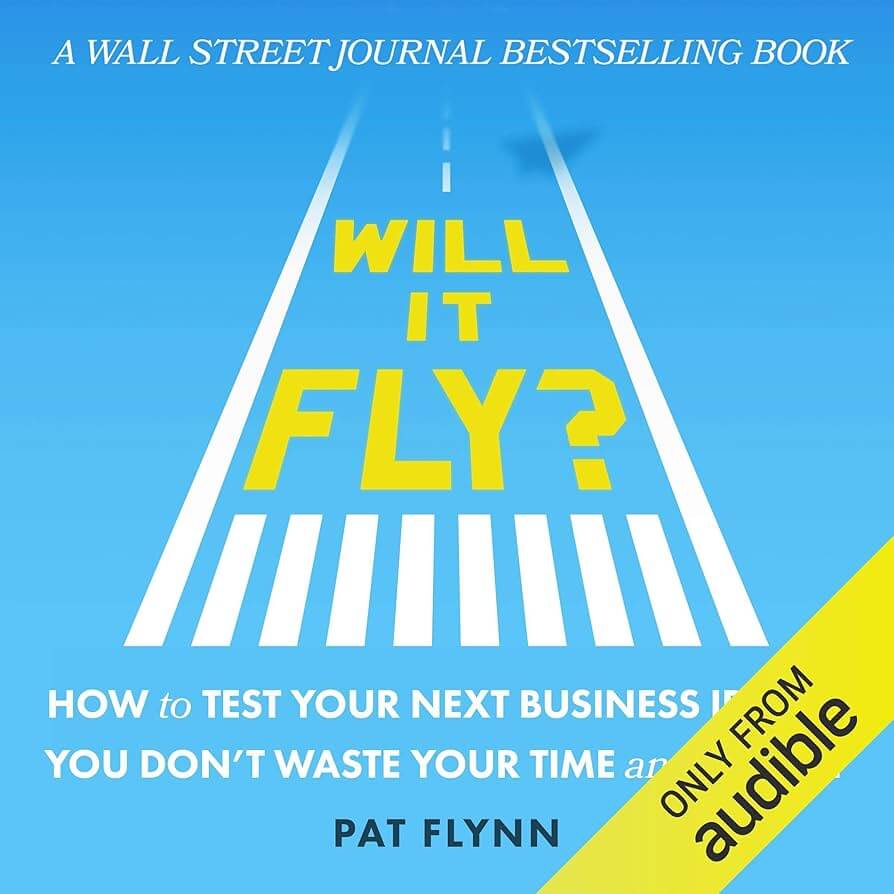
Before building a product, Pat Flynn teaches how to validate your idea with real customers. The book walks you through testing assumptions and gathering feedback before spending significant resources.
Why to read it
Because validating early prevents costly mistakes later.
8. The Personal MBA by Josh Kaufman
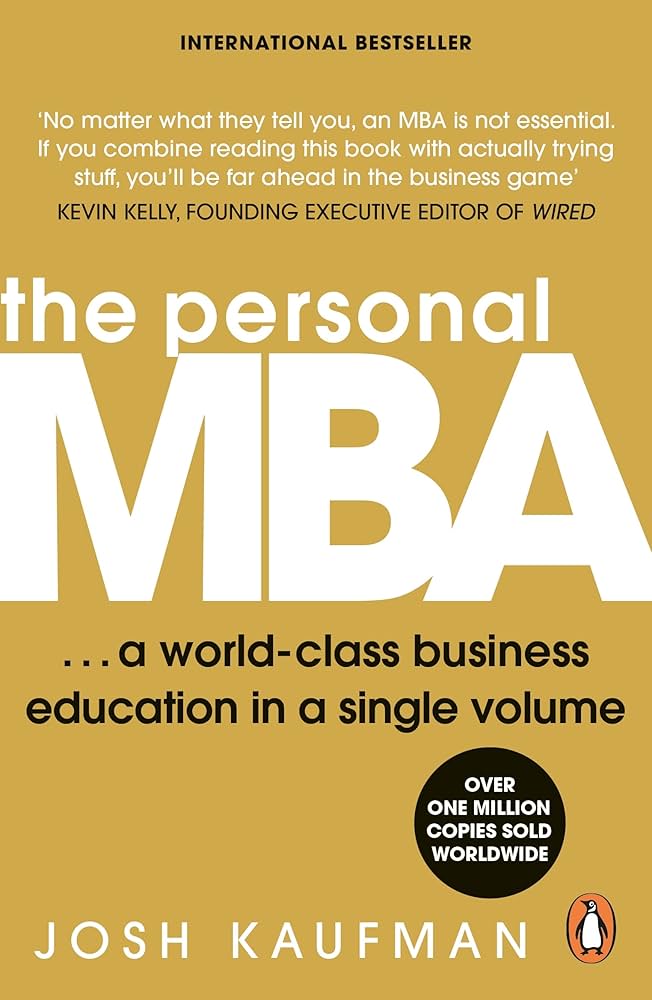
Josh Kaufman covers essential business fundamentals such as value creation, marketing, pricing, and systems. This book equips entrepreneurs with knowledge that replaces expensive formal education.
Why to read it
Because strong business fundamentals reduce trial-and-error losses.
9. Traction by Gabriel Weinberg and Justin Mares
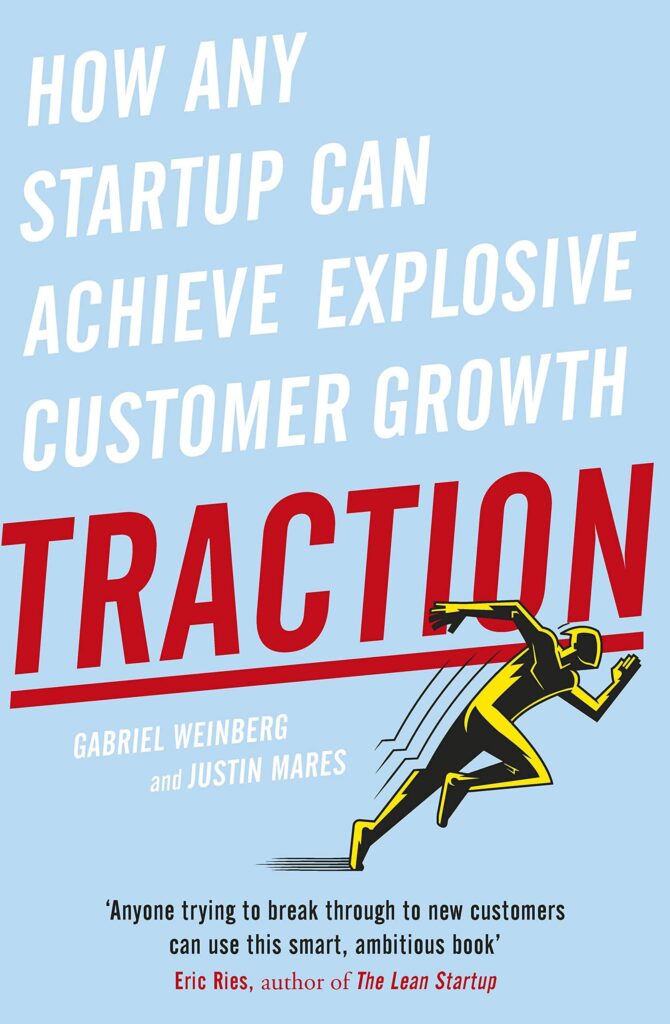
This book focuses on customer acquisition. It outlines nineteen marketing channels and explains how to identify which one works best for your startup. For bootstrapped founders, choosing the right growth channel is crucial.
Why to read it
Because growth without overspending is essential in bootstrapping.
10. Side Hustle by Chris Guillebeau
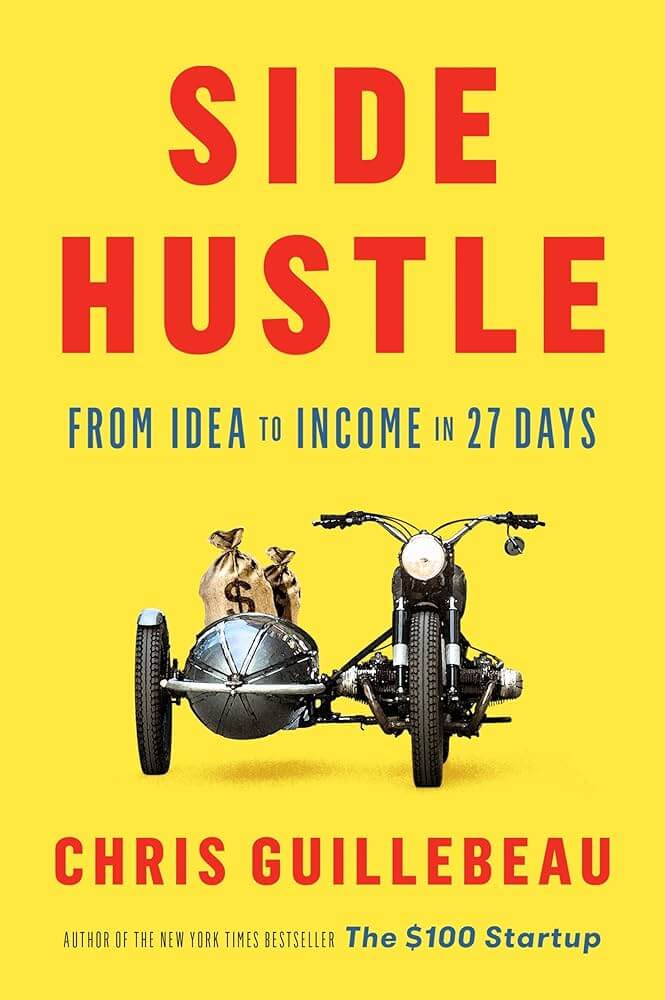
This practical guide shows how to start a small business alongside a full-time job. It provides a structured plan to launch quickly with minimal risk. Many bootstrapped businesses begin as side projects before becoming full-time ventures.
Why to read it
Because building gradually reduces financial pressure and risk.
Conclusion
Bootstrapping teaches discipline, creativity, and focus. It forces entrepreneurs to understand their customers deeply, manage resources wisely, and prioritize profitability over rapid expansion. While the journey may feel slower, it often builds stronger foundations and long-term sustainability.
The books above offer guidance on validation, marketing, mindset, structure, and strategic growth. If you are serious about building a business independently, take the time to read thoughtfully and apply consistently. Bootstrapped success is rarely instant, but it is often deeply rewarding and built to last.