In today’s digital world, constant notifications, multitasking, and information overload make it difficult to concentrate for long periods. Developing the ability to focus deeply on important tasks has become a valuable skill for students, professionals, and entrepreneurs. Experts describe deep work as the ability to concentrate without distraction on cognitively demanding tasks, allowing people to …
In today’s digital world, constant notifications, multitasking, and information overload make it difficult to concentrate for long periods. Developing the ability to focus deeply on important tasks has become a valuable skill for students, professionals, and entrepreneurs. Experts describe deep work as the ability to concentrate without distraction on cognitively demanding tasks, allowing people to learn complex ideas and produce high-quality results.
The books below provide practical techniques, psychological insights, and productivity frameworks that help readers strengthen concentration, eliminate distractions, and achieve meaningful work
1. Deep Work: Rules for Focused Success in a Distracted World — Cal Newport

Why to Read:
This book explains why the ability to work deeply is becoming rare but extremely valuable. Cal Newport shares practical strategies like time-blocking, reducing digital distractions, and building rituals that help people concentrate for longer periods.
2. Hyperfocus: How to Be More Productive in a World of Distraction — Chris Bailey

Why to Read:
Chris Bailey explains how attention works and how to control it. The book introduces two modes, hyperfocus for deep concentration and scatterfocus for creativity, helping readers use their attention more intentionally.
3. Focus: The Hidden Driver of Excellence — Daniel Goleman

Why to Read:
Daniel Goleman explores the science of attention and explains how different types of focus inner, other, and outer focus, affect performance and leadership. The book also provides methods to strengthen attention in everyday life.
4. Indistractable: How to Control Your Attention and Choose Your Life — Nir Eyal

Why to Read:
This book focuses on eliminating distractions caused by technology, social media, and internal triggers. Nir Eyal offers actionable techniques for building habits that protect your attention and help you stay focused.
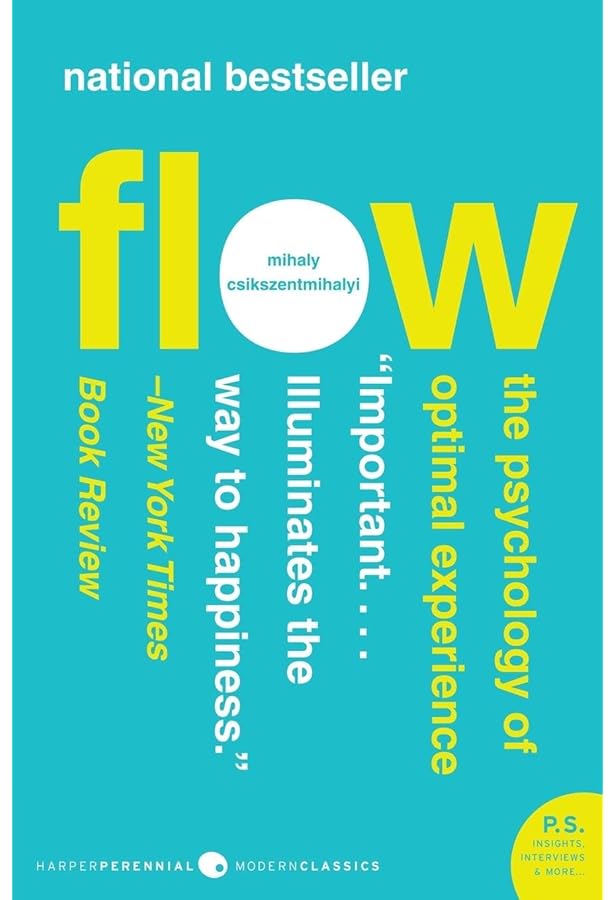
5. Flow: The Psychology of Optimal Experience — Mihaly Csikszentmihalyi
Why to Read:
This classic psychology book explains the concept of “flow,” a mental state where people are completely absorbed in their work. Achieving flow leads to higher creativity, productivity, and satisfaction.
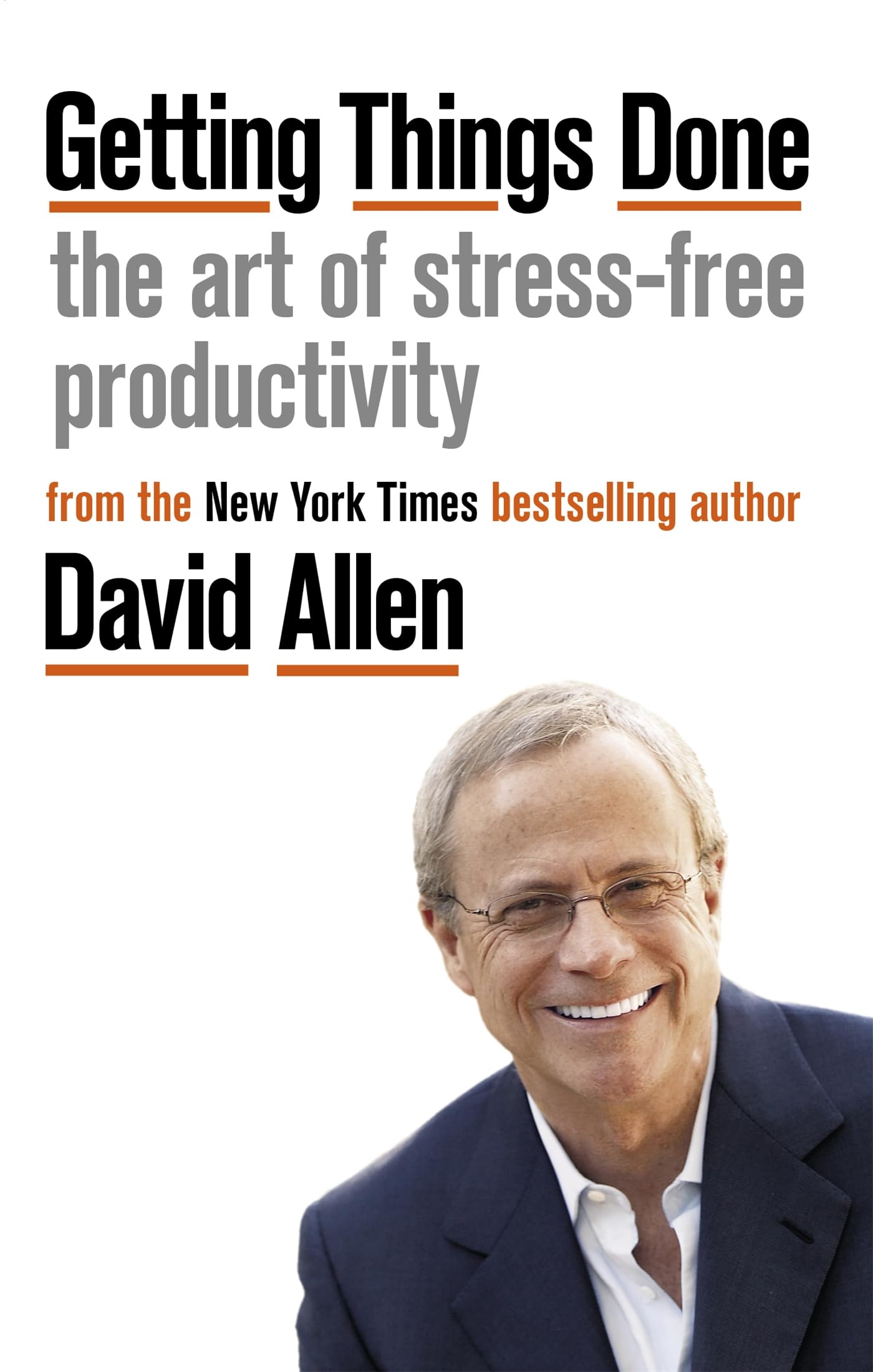
6. Getting Things Done: The Art of Stress-Free Productivity — David Allen
Why to Read:
David Allen introduces the famous GTD productivity system, which helps people organize tasks, reduce mental clutter, and focus on the most important work without stress.
7. Stolen Focus: Why You Can’t Pay Attention—And How to Think Deeply Again — Johann Hari

Why to Read:
Johann Hari explores why people today struggle to maintain attention and how modern technology, stress, and social habits affect concentration. The book offers insights into reclaiming focus in a distracted world.
8. The Distracted Mind — Adam Gazzaley & Larry Rosen

Why to Read:
This book explains how the human brain struggles with distractions in the modern digital environment. It combines neuroscience and psychology to show how people can improve attention and cognitive control.
9. The Organized Mind — Daniel J. Levitin

Why to Read:
This book explains how the brain processes information and why organizing tasks and environments improves concentration. It offers strategies to manage information overload effectively.
10. Eat That Frog! — Brian Tracy

Why to Read:
This popular productivity book teaches how to overcome procrastination by focusing on the most important task first. The strategies help build discipline and maintain concentration on high-priority work.
Conclusion
Developing strong focus is essential for achieving meaningful results in a world full of distractions. The books above explore different aspects of concentration, from neuroscience and psychology to productivity systems and practical habits. By applying the techniques shared in these books, readers can improve their ability to work deeply, eliminate distractions, and achieve higher levels of productivity and creativity.