Work-life balance is essential for maintaining both mental well-being and productivity. When work dominates personal life, it can lead to stress, burnout, and reduced motivation. Studies show that practices such as flexible schedules, clear priorities, and healthy boundaries can significantly improve job satisfaction and overall life balance. Many authors and productivity experts have written books …

Work-life balance is essential for maintaining both mental well-being and productivity. When work dominates personal life, it can lead to stress, burnout, and reduced motivation. Studies show that practices such as flexible schedules, clear priorities, and healthy boundaries can significantly improve job satisfaction and overall life balance.
Many authors and productivity experts have written books that offer practical frameworks for managing time, setting boundaries, and creating a lifestyle that supports both professional success and personal fulfillment. Below are some of the most recommended books on work-life balance.
1. The 4-Hour Workweek — Tim Ferriss

Why to Read:
This bestselling book introduces the idea of “lifestyle design,” encouraging readers to rethink traditional work culture and focus on efficiency rather than long working hours.Tim Ferriss explains how automation, outsourcing, and prioritizing meaningful work can help people create more freedom in their lives.
2. Essentialism: The Disciplined Pursuit of Less — Greg McKeown

Why to Read:
This book teaches readers to focus on what truly matters and eliminate unnecessary commitments. By concentrating on fewer but more meaningful tasks, people can reduce stress and create more space for personal life.
3. The One Thing — Gary Keller & Jay Papasan

Why to Read:
The authors explain how focusing on one important task at a time leads to better results and less stress. This approach helps individuals manage work more effectively while maintaining balance in other areas of life.
4. Off Balance — Matthew Kelly

Why to Read:
Matthew Kelly challenges the traditional idea of separating work and life completely. Instead, he encourages readers to focus on meaningful activities that align with their values and bring fulfillment.
5. 168 Hours: You Have More Time Than You Think — Laura Vanderkam

Why to Read:
Laura Vanderkam explains that everyone has 168 hours in a week, and the key to balance is how those hours are used. The book shows how successful people organize their time to achieve both career success and personal fulfillment.
6. Overwhelmed: Work, Love, and Play When No One Has the Time — Brigid Schulte
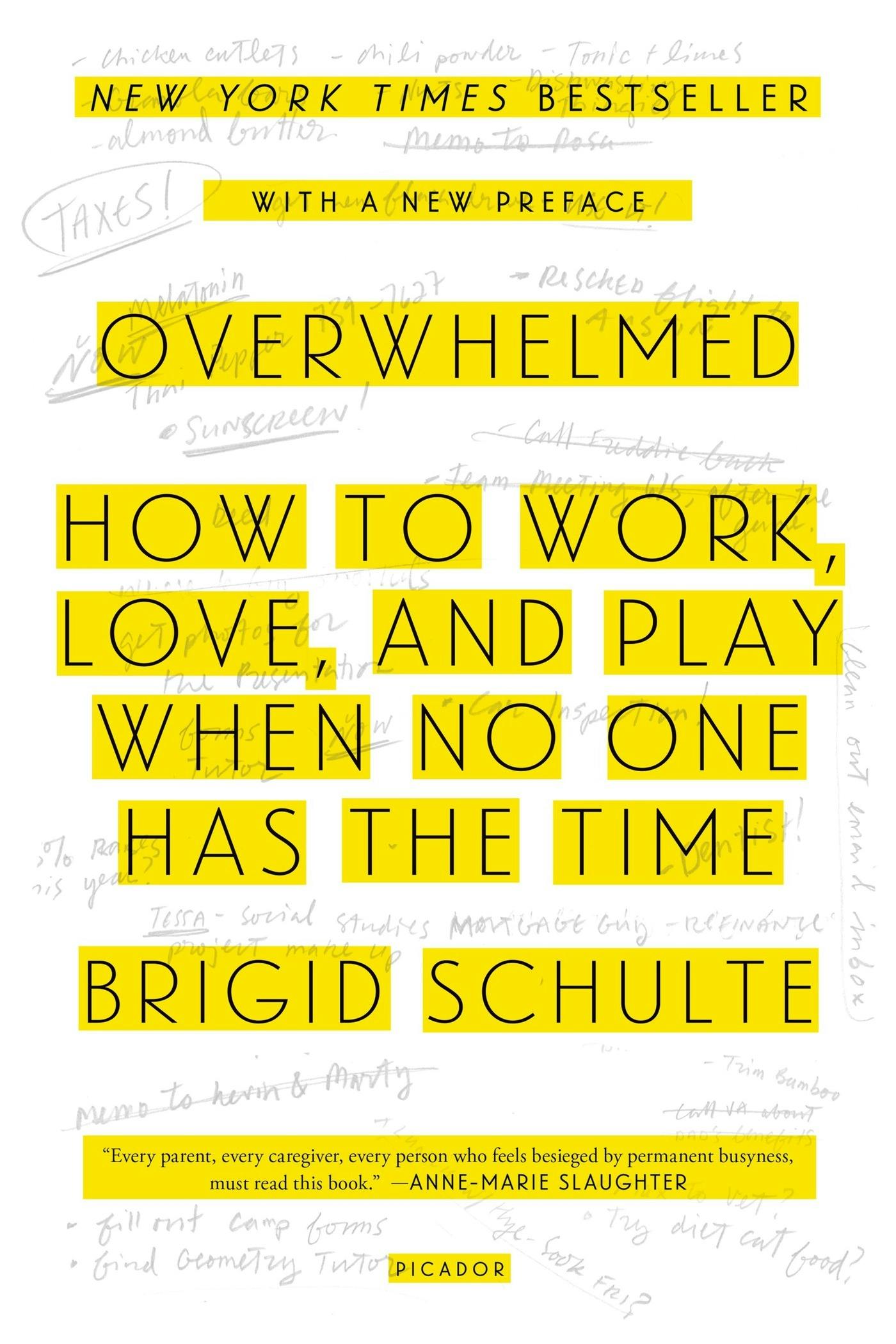
Why to Read:
This book explores why modern life often feels rushed and stressful. Through research and real-life stories, it explains how people can reclaim their time and reduce the pressure of constant busyness.
7. First Things First — Stephen R. Covey

Why to Read:
This book focuses on living according to priorities rather than reacting to daily pressures. Covey explains how aligning tasks with personal values helps individuals maintain balance and achieve long-term fulfillment.
8. Make Time — Jake Knapp & John Zeratsky

Why to Read:
This book presents simple daily strategies to help people focus on what truly matters. It encourages readers to reduce digital distractions and design a daily routine that supports work-life balance.
9. Make Your Bed: Little Things That Can Change Your Life… and Maybe the World — William H. McRaven

Why to Read:
This inspirational book is based on lessons Admiral William McRaven learned during Navy SEAL training. It shows how small daily habits, like completing simple tasks, can build discipline, confidence, and resilience. These habits help create a balanced and productive life.
10. The Power of Full Engagement — Jim Loehr & Tony Schwartz

Why to Read:
This book argues that the key to performance and life balance is managing energy rather than time. The authors explain how balancing physical, emotional, mental, and spiritual energy helps people perform better at work while maintaining personal well-being.
Conclusion
Achieving work-life balance is not about working less, it is about working smarter and prioritizing what truly matters. The books listed above provide practical strategies for managing time, reducing stress, and creating healthier boundaries between professional and personal life. By applying the lessons from these books, readers can build routines that support both career success and personal well-being.