Stress is a normal part of life, but when it becomes overwhelming it can affect mental health, productivity, and overall well-being. Learning how to manage stress effectively can help people stay calm, focused, and emotionally balanced. Experts often recommend practices such as mindfulness, relaxation techniques, and positive thinking to cope with stress and anxiety.The books …

Stress is a normal part of life, but when it becomes overwhelming it can affect mental health, productivity, and overall well-being. Learning how to manage stress effectively can help people stay calm, focused, and emotionally balanced. Experts often recommend practices such as mindfulness, relaxation techniques, and positive thinking to cope with stress and anxiety.
The books below provide practical tools, scientific insights, and daily techniques that can help readers understand stress and develop healthier ways to manage it.
1. How to Stop Worrying and Start Living — Dale Carnegie

Why to Read:
This classic book provides simple strategies to deal with worry and anxiety in daily life. Dale Carnegie explains practical ways to avoid overthinking and focus on positive action instead of stress.
2. Don’t Sweat the Small Stuff… and It’s All Small Stuff — Richard Carlson

Why to Read:
This bestselling book teaches readers to stay calm and not overreact to everyday problems. The short chapters offer simple ideas that help people maintain peace of mind.
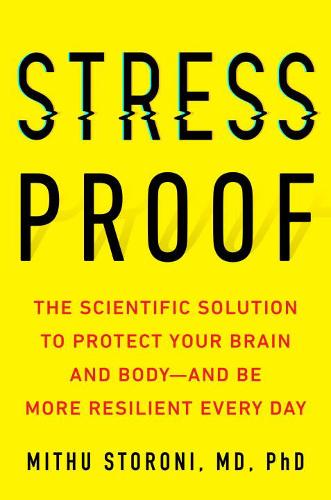
3. Stress-Proof — Mithu Storoni
Why to Read:
Written by a neuroscientist, this book explains how stress affects the brain and body. It also provides science-based techniques to improve sleep, focus, and emotional resilience.
4. Full Catastrophe Living — Jon Kabat-Zinn

Why to Read:
This well-known book introduces mindfulness-based stress reduction techniques. It teaches meditation, breathing exercises, and mindfulness practices that help people reduce stress and improve emotional balance.
5. The Happiness Track — Emma Seppälä

Why to Read:
This book combines psychology and neuroscience to show how happiness and calmness can improve productivity and success. It explains how mindfulness and compassion help people handle stress better.
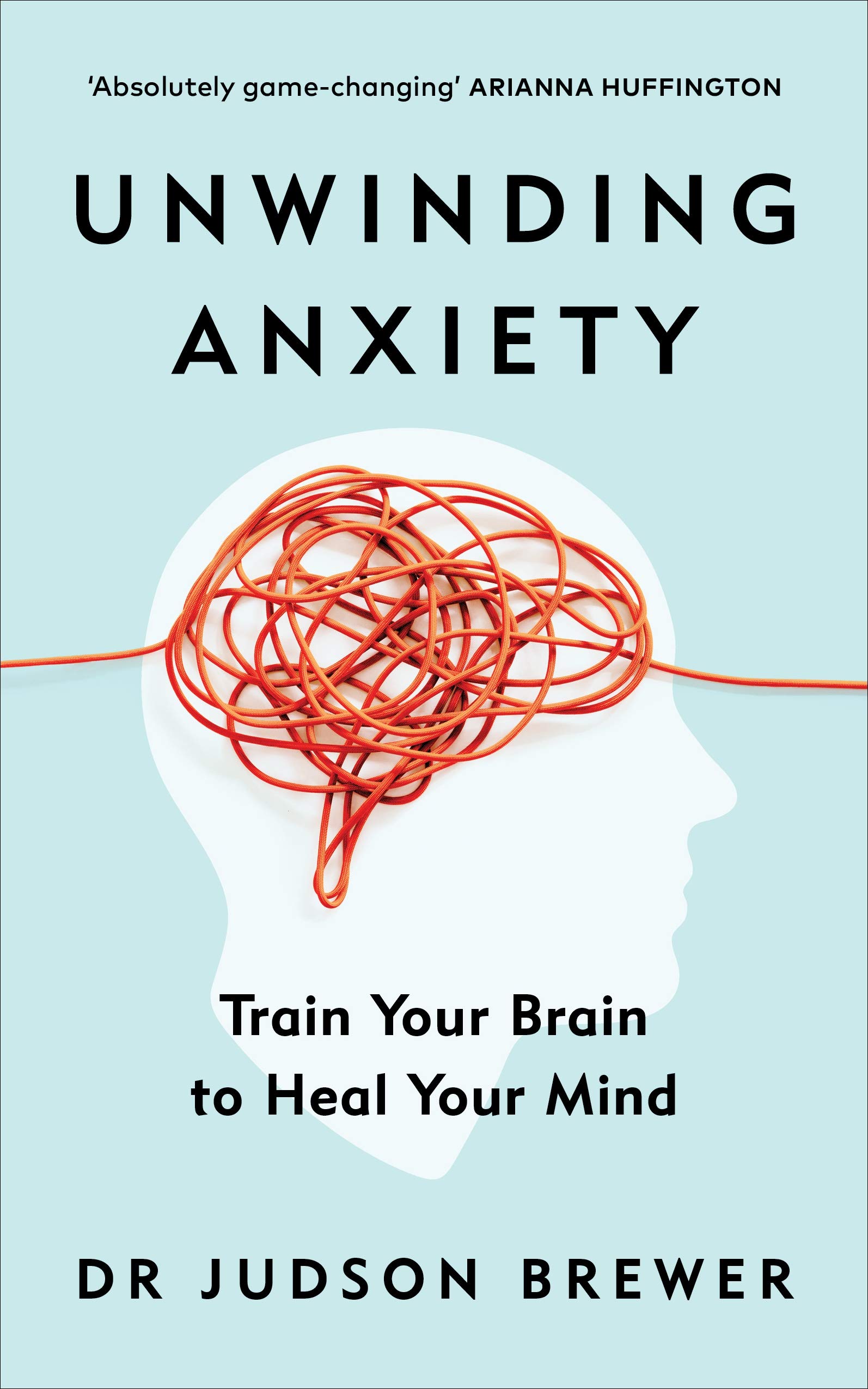
6. Unwinding Anxiety — Judson Brewer
Why to Read:
This book explains how anxiety and stress habits form in the brain. Judson Brewer provides techniques to break negative thinking patterns and build healthier habits.
7. Letting Go — David R. Hawkins

Why to Read:
This book focuses on releasing negative emotions like anger, fear, and guilt. It teaches a method for letting go of emotional tension and achieving inner peace.
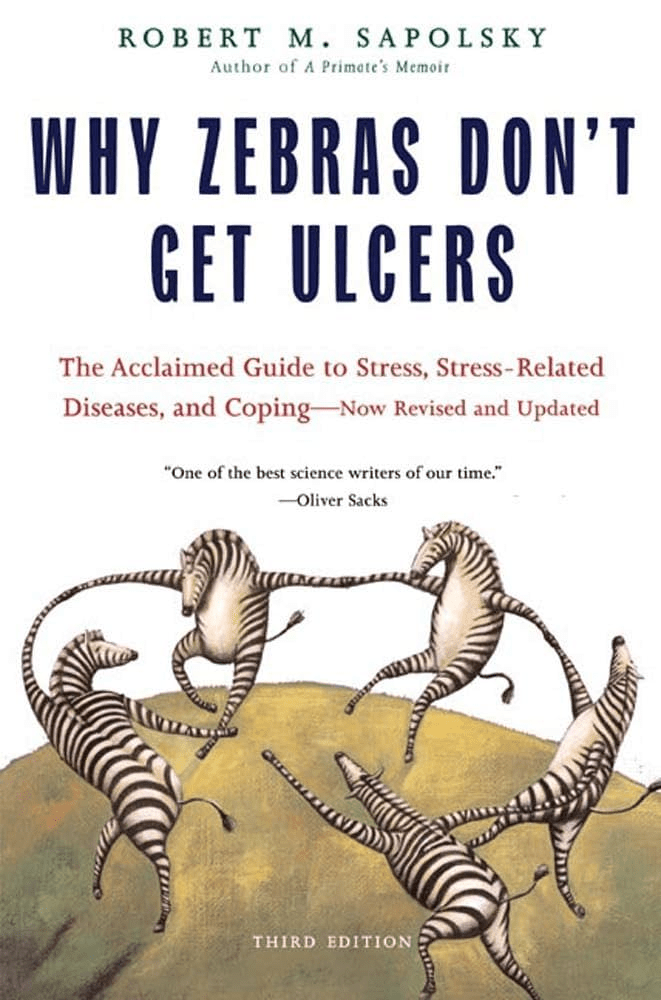
8. Why Zebras Don’t Get Ulcers — Robert M. Sapolsky
Why to Read:
This book explains the biology of stress and how it affects the body and mind. Sapolsky combines scientific research with humor to explain how chronic stress impacts health.
9. The Relaxation and Stress Reduction Workbook — Martha Davis, Elizabeth Robbins Eshelman & Matthew McKay

Why to Read:
This workbook offers practical exercises for relaxation, meditation, breathing, and cognitive stress management techniques widely used in counseling programs.
10. Eliminating Stress, Finding Inner Peace — Brian L. Weiss

Why to Read:
This book offers relaxation techniques and guided exercises to help readers release emotional tension and develop inner calm.
Conclusion
Stress management is essential for maintaining emotional balance, productivity, and overall health. The books in this list provide a wide range of approaches , from mindfulness and neuroscience to practical exercises and emotional healing techniques. By applying the lessons from these books, readers can develop healthier habits, build resilience, and learn how to stay calm and focused even during challenging times.