Managing a team effectively requires more than assigning tasks and tracking progress. Strong team management involves building trust, encouraging collaboration, resolving conflicts, and motivating individuals to work toward a shared goal. Successful managers understand that teams perform best when communication is clear, responsibilities are defined, and people feel valued for their contributions. Many leadership experts …

Managing a team effectively requires more than assigning tasks and tracking progress. Strong team management involves building trust, encouraging collaboration, resolving conflicts, and motivating individuals to work toward a shared goal. Successful managers understand that teams perform best when communication is clear, responsibilities are defined, and people feel valued for their contributions. Many leadership experts have written extensively about how teams function and how managers can guide them toward higher productivity and stronger relationships. The books below offer valuable insights, practical frameworks, and real-world examples that help leaders develop stronger and more effective teams.
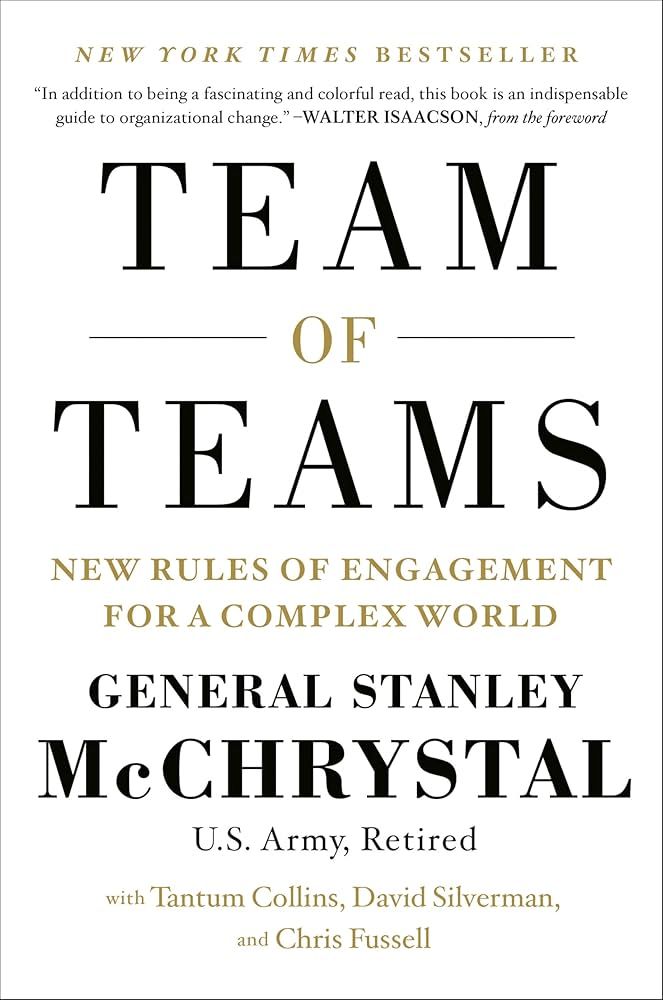
1. Team of Teams — Stanley McChrystal
Why to Read:
This book explains how organizations can operate more effectively by creating flexible and collaborative teams. Stanley McChrystal shares lessons from military leadership that demonstrate how trust and shared information improve team performance.
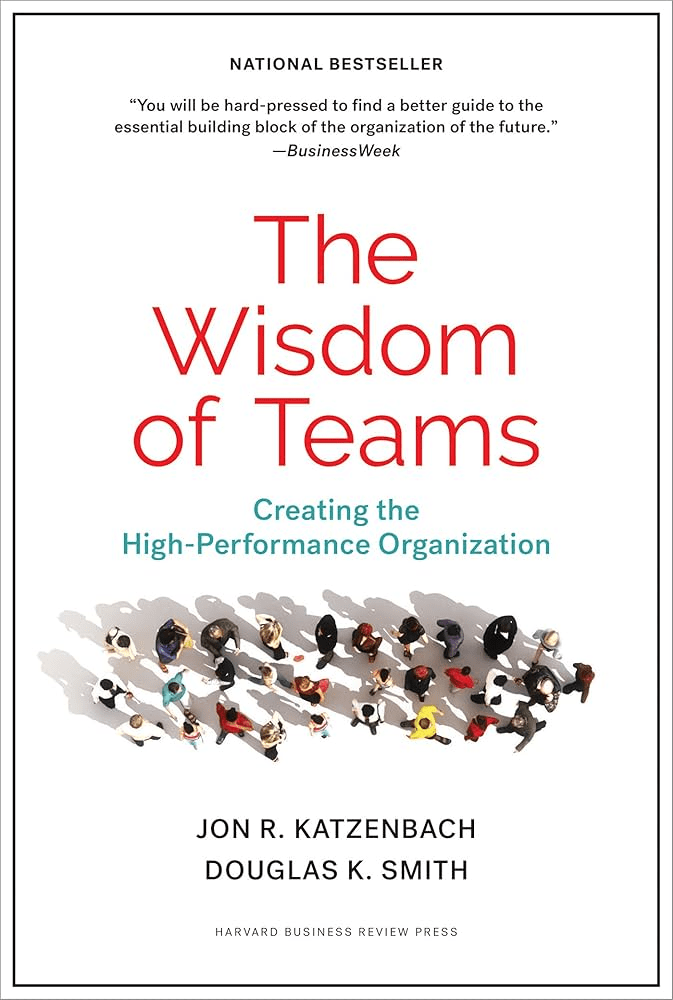
2. The Wisdom of Teams — Jon R. Katzenbach & Douglas K. Smith
Why to Read:
This influential book explores what makes teams truly effective. The authors explain how commitment, accountability, and shared goals help groups achieve outstanding performance.
3. Team Topologies — Matthew Skelton & Manuel Pais

Why to Read:
This book introduces a framework for structuring teams so they can work efficiently and adapt quickly. It explains how organizations can design teams that improve communication and productivity.
4. Teamwork 101 — John C. Maxwell

Why to Read:
Leadership expert John Maxwell explains the fundamental principles behind effective teamwork. The book highlights the importance of cooperation, shared vision, and trust among team members.
5. The Ideal Team Player — Patrick Lencioni

Why to Read:
This book identifies three key qualities of successful team members: humility, hunger, and emotional intelligence. Patrick Lencioni explains how leaders can build stronger teams by hiring and developing people with these traits.
6. Team Building: Proven Strategies for Improving Team Performance — W. Gibb Dyer

Why to Read:
This book provides practical methods for improving communication, collaboration, and trust within teams. It includes exercises and strategies that leaders can apply to strengthen team dynamics.
7. Collaborative Intelligence — Dawna Markova & Angie McArthur

Why to Read:
This book explores how diverse thinking styles influence teamwork. It explains how understanding different perspectives can improve collaboration and help teams solve complex problems.
8. Leading Teams — J. Richard Hackman

Why to Read:
Based on extensive research, this book explains how leaders can design teams that perform effectively. Richard Hackman focuses on clear goals, supportive structures, and strong leadership.
9. The Team Handbook — Peter R. Scholtes

Why to Read:
This book provides practical tools and techniques for improving teamwork within organizations. It explains how teams can solve problems, improve processes, and achieve better results.
10. The Power of a Positive Team — Jon Gordon

Why to Read:
This book highlights how positivity and strong relationships can strengthen team culture. Jon Gordon shares practical ideas that help leaders build motivated and resilient teams.
Conclusion
Strong teams are the foundation of successful organizations. Leaders who understand how to build trust, encourage collaboration, and support individual strengths can create environments where teams thrive. The books listed above provide valuable strategies for improving communication, strengthening relationships, and guiding teams toward shared goals. By applying the insights from these books, managers and leaders can develop teams that are more productive, innovative, and capable of achieving long-term success.