Being a great manager requires more than just technical knowledge or authority. Effective managers must know how to lead teams, communicate clearly, make smart decisions, and create an environment where people can perform at their best. Many leadership experts believe that continuous learning is essential for managers who want to improve their leadership abilities and …

Being a great manager requires more than just technical knowledge or authority. Effective managers must know how to lead teams, communicate clearly, make smart decisions, and create an environment where people can perform at their best. Many leadership experts believe that continuous learning is essential for managers who want to improve their leadership abilities and build successful teams. Books written by experienced leaders, researchers, and management experts offer valuable insights into leadership, workplace culture, productivity, and decision-making. The following books are widely recommended for managers who want to develop strong leadership skills and guide their teams effectively.
1. The Making of a Manager — Julie Zhuo

Why to Read:
Written by a former Facebook executive, this book offers practical advice for new and experienced managers. Julie Zhuo explains how to build trust with teams, give effective feedback, and handle common leadership challenges in the workplace.
2. Leaders Eat Last — Simon Sinek

Why to Read:
Simon Sinek explains how great leaders create environments where employees feel safe, respected, and motivated. The book emphasizes empathy, trust, and teamwork as essential elements of strong leadership.
3. The Five Dysfunctions of a Team — Patrick Lencioni

Why to Read:
This leadership classic explains the common problems that prevent teams from working effectively. Patrick Lencioni presents a simple model that helps managers build trust, accountability, and collaboration within teams.
4. Multipliers — Liz Wiseman

Why to Read:
This book explores how some leaders multiply the intelligence and potential of their teams while others unintentionally limit it. Liz Wiseman explains how managers can encourage creativity and maximize team performance.
5. Crucial Conversations — Kerry Patterson, Joseph Grenny, Ron McMillan & Al Switzler

Why to Read:
Communication is one of the most important management skills. This book teaches managers how to handle difficult conversations, resolve conflicts, and communicate effectively in high-pressure situations.
6. First, Break All the Rules — Marcus Buckingham & Curt Coffman

Why to Read:
Based on extensive research by Gallup, this book reveals what the world’s best managers do differently. It focuses on understanding employees’ strengths and creating workplaces where people can perform at their best.
7. Turn the Ship Around! — L. David Marquet

Why to Read:
This book shares the story of a U.S. Navy captain who transformed his submarine crew by empowering every team member to take responsibility. It demonstrates how leadership based on trust and ownership can improve performance.
8. Drive: The Surprising Truth About What Motivates Us — Daniel H. Pink

Why to Read:
Daniel Pink explains what truly motivates people at work. Instead of traditional rewards, he argues that autonomy, mastery, and purpose are the key factors that inspire employees to perform better.
9. Dare to Lead — Brené Brown

Why to Read:
This book focuses on courageous leadership and building authentic relationships in the workplace. Brené Brown explains how vulnerability, empathy, and trust help leaders create stronger teams.
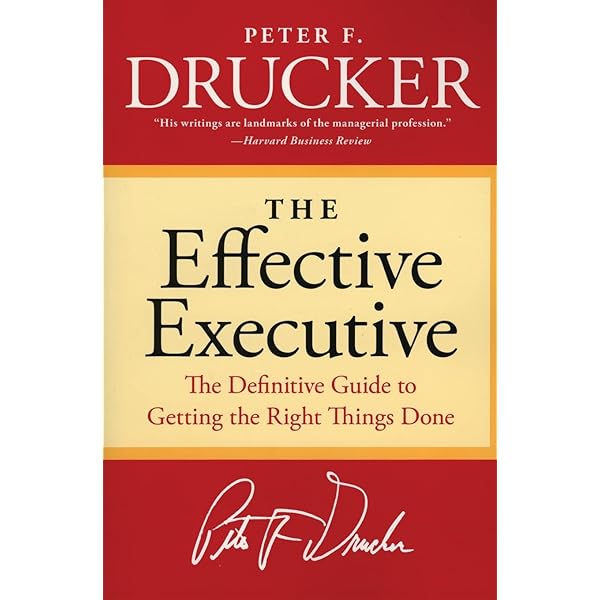
10. The Effective Executive — Peter F. Drucker
Why to Read:
This classic management book explains how leaders can become more productive and effective in their roles. Peter Drucker focuses on decision-making, time management, and setting priorities—skills essential for any manager.
Conclusion
Great managers are not only responsible for achieving results but also for supporting and guiding their teams. The books listed above provide valuable insights into leadership, communication, motivation, and decision-making. By studying the experiences and ideas shared in these books, managers can strengthen their leadership skills, build better relationships with their teams, and create workplaces where people feel motivated to perform at their best. Continuous learning through books can help managers grow into more effective and inspiring leaders.