A strong business mindset is not just about making money. It is about thinking strategically, solving problems creatively, taking calculated risks, leading people effectively, and staying resilient during uncertainty. Whether you want to start a company, scale a startup, grow as a corporate leader, or simply understand how wealth and business really work, the right …

A strong business mindset is not just about making money. It is about thinking strategically, solving problems creatively, taking calculated risks, leading people effectively, and staying resilient during uncertainty. Whether you want to start a company, scale a startup, grow as a corporate leader, or simply understand how wealth and business really work, the right books can completely reshape your thinking.
Business success is rarely accidental. It is built through mindset, systems, financial intelligence, communication skills, and long-term vision. The following 15 books are powerful tools to help you think like an entrepreneur and act like a leader.
1. Rich Dad Poor Dad – Robert Kiyosaki

This classic book introduces the difference between working for money and making money work for you. Kiyosaki explains assets, liabilities, cash flow, and financial independence in simple storytelling form. It challenges traditional beliefs about jobs and security. The book reshapes how you think about wealth creation and investment.
Why Read It?
Because financial intelligence is the foundation of a business mindset.
2. The Lean Startup – Eric Ries

This book teaches how to build a business efficiently through experimentation and feedback. Eric Ries introduces the concept of Minimum Viable Product (MVP) and validated learning. Instead of guessing what customers want, you test and adapt quickly. It’s practical, modern, and essential for startups.
Why Read It?
Because smart businesses grow through testing, not assumptions.
3. Zero to One – Peter Thiel

Peter Thiel explains how great businesses create something truly new instead of competing in crowded markets. The book focuses on innovation, monopoly thinking, and long-term vision. It encourages bold thinking rather than safe imitation. It’s sharp, strategic, and thought-provoking.
Why Read It?
Because true success comes from building something unique.
4. Think and Grow Rich – Napoleon Hill

A foundational success book based on interviews with wealthy entrepreneurs. It highlights mindset, persistence, desire, and planning. Though written decades ago, its psychological insights remain powerful. It teaches belief and clarity of purpose.
Why Read It?
Because business success begins in your thinking.
5. The Psychology of Money – Morgan Housel

This book explains how behavior influences financial decisions more than intelligence. Morgan Housel uses stories to show how emotions, patience, and discipline affect wealth building. It focuses on long-term thinking and risk management.
Why Read It?
Because managing money is more about behavior than knowledge.
6. The 4-Hour Workweek – Timothy Ferriss

Tim Ferriss challenges the traditional 9-to-5 model. He introduces lifestyle design, outsourcing, automation, and passive income. The book inspires unconventional thinking about work and freedom.
Why Read It?
Because business should create freedom, not burnout.
7. Good to Great – Jim Collins

This research-based book studies companies that achieved long-term excellence. It introduces concepts like Level 5 Leadership and the Hedgehog Concept. The insights are strategic and deeply analytical.
Why Read It?
Because greatness requires discipline and clear focus.
8. The Hard Thing About Hard Things – Ben Horowitz

A brutally honest look at the challenges of running a startup. Horowitz shares real experiences about layoffs, failures, and leadership struggles. It offers practical advice without sugarcoating.
Why Read It?
Because business is difficult, and resilience is essential.
9. Blue Ocean Strategy – W. Chan Kim and Renée Mauborgne

This book teaches how to create uncontested market space instead of competing aggressively. It focuses on innovation and differentiation.
Why Read It?
Because competing less and innovating more leads to sustainable growth.
10. Start with Why – Simon Sinek

Sinek explains that great leaders inspire by starting with purpose. The book explores how clarity of mission drives loyalty and growth.
Why Read It?
Because people buy why you do something, not what you do.
11. The E-Myth Revisited – Michael E. Gerber

This book explains why most small businesses fail and how to build systems that scale. It separates working in your business from working on your business.
Why Read It?
Because systems create sustainable success.
12. Crushing It! – Gary Vaynerchuk

This book focuses on building personal brands using social media. It highlights real success stories and practical marketing insights.
Why Read It?
Because branding and digital presence are critical in modern business.
13. Shoe Dog – Phil Knight

The memoir of Nike’s founder shares the raw journey of building a global brand. It reveals risks, failures, and bold decisions behind success.
Why Read It?
Because real entrepreneurial journeys teach more than theory.
14. Principles – Ray Dalio
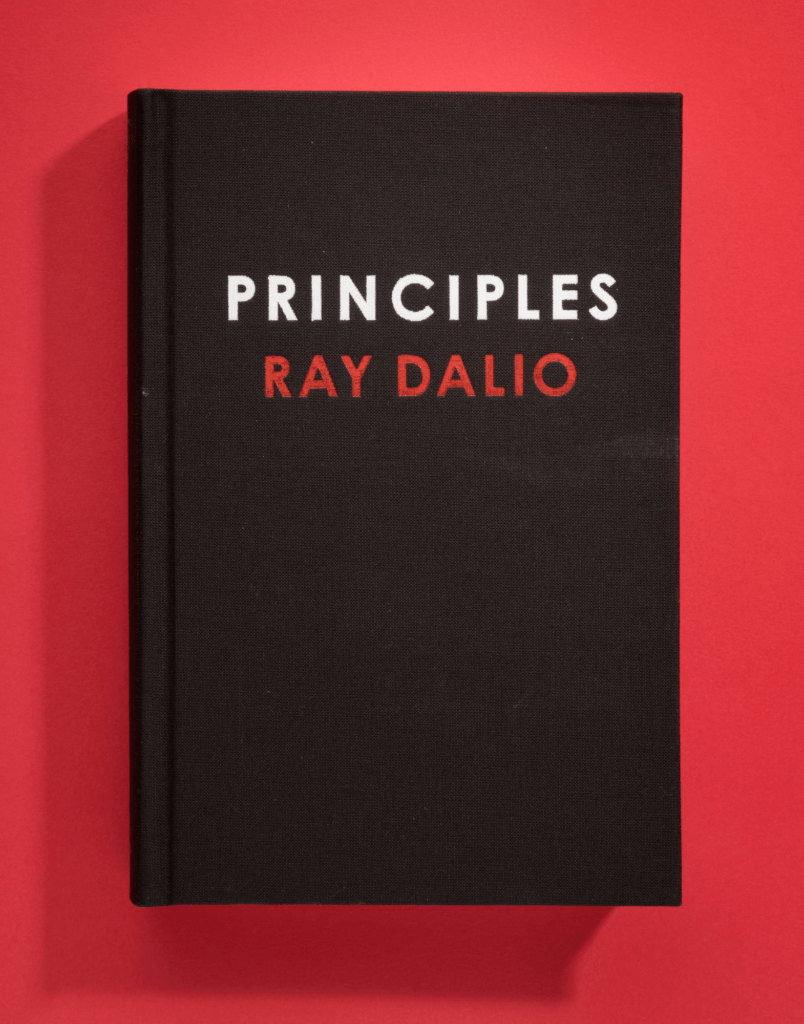
Dalio shares life and work principles that guided his investment firm’s success. It focuses on decision-making, radical transparency, and learning from mistakes.
Why Read It?
Because structured thinking leads to better decisions.
15. The Intelligent Investor – Benjamin Graham

A classic on value investing and long-term strategy. It teaches discipline, risk management, and rational decision-making in finance.
Why Read It?
Because smart investment thinking strengthens overall business mindset.
Conclusion
A business mindset is not built overnight. It develops through learning, reflection, and real-world application. These 15 books cover finance, leadership, innovation, resilience, branding, and strategic thinking.Start with one that aligns with your current goals. Read deeply. Apply consistently. Think long-term. Because in business ,mindset is your greatest asset.