Indian cinema is a world unto itself, filled with a dazzling variety of stories, styles, and voices that reflect the country’s incredible diversity. From the grandeur of Bollywood to the nuanced storytelling of regional cinema, Indian filmmakers have consistently created work that resonates not only within the country but across the globe. Over the decades, …
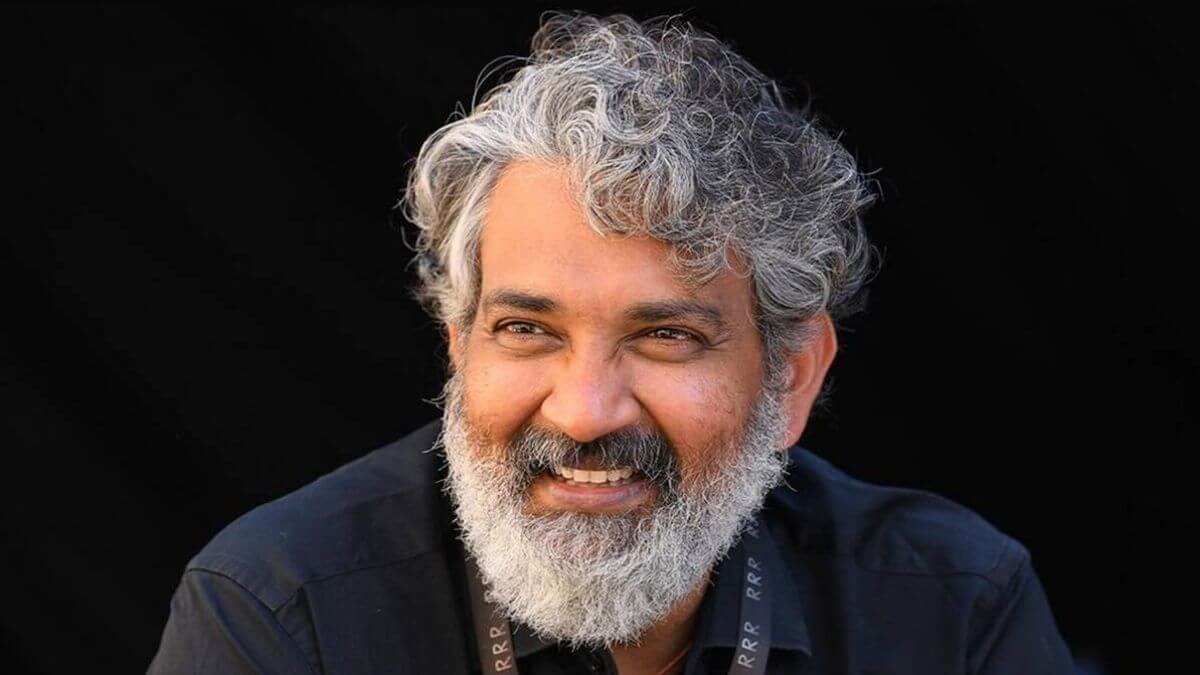
Indian cinema is a world unto itself, filled with a dazzling variety of stories, styles, and voices that reflect the country’s incredible diversity. From the grandeur of Bollywood to the nuanced storytelling of regional cinema, Indian filmmakers have consistently created work that resonates not only within the country but across the globe. Over the decades, these directors have experimented with themes ranging from mythology and romance to social issues and gritty realism, redefining what Indian films can achieve. For viewers, exploring the work of these filmmakers is like taking a journey through India’s cultural, emotional, and artistic landscapes. Their films entertain, challenge, and inspire, offering insights into society while showcasing the craft of storytelling at its best. The directors featured in this list represent a mix of established icons and contemporary visionaries whose films have shaped the cinematic landscape and set benchmarks for future storytellers. Watching their work provides a window into the creativity, depth, and vibrancy that Indian cinema has to offer.
#1. S.S. Rajamouli

S.S. Rajamouli is a filmmaker whose work has captured the imagination of audiences across India and the world. Known for epic productions like Baahubali and RRR, he combines mythological grandeur, emotional storytelling, and cutting-edge visual effects to craft narratives that feel both universal and deeply Indian. His films are celebrated not only for their scale but also for the careful attention to character, drama, and spectacle, making him one of the most influential directors of his generation.
#2. Sanjay Leela Bhansali

Bhansali’s name is synonymous with visual opulence and powerful storytelling. His films, including Padmaavat, Bajirao Mastani, and Devdas, are celebrated for their stunning cinematography, elaborate set designs, and deeply emotional narratives. Beyond aesthetics, his films often explore complex human emotions and relationships, making every frame a rich cinematic experience.
#3. Zoya Akhtar

Zoya Akhtar has carved a niche with contemporary stories that reflect modern urban life. Films like Gully Boy, Zindagi Na Milegi Dobara, and Luck by Chance showcase her ability to portray relationships, ambition, and self-discovery with authenticity and sensitivity. Her direction is subtle yet impactful, often highlighting everyday struggles and triumphs in a relatable manner.
#4. Mani Ratnam

A legend of Tamil cinema, Mani Ratnam has influenced filmmakers across the country. His work, including Roja, Bombay, Guru, and Ponniyin Selvan, blends social themes, romance, and political commentary seamlessly. Ratnam’s narratives are known for their strong characters, evocative music, and visual poetry, offering viewers a cinematic experience that is both entertaining and thought-provoking.
#5. Rajkumar Hirani

Rajkumar Hirani is celebrated for films that combine humor with strong social messages. Movies like 3 Idiots, Munna Bhai MBBS, and PK showcase his talent for creating feel-good cinema that resonates with a wide audience. Hirani’s films are emotionally engaging, socially conscious, and memorable, balancing entertainment with thought-provoking themes.
#6. Meghna Gulzar

Meghna Gulzar is known for tackling real-life stories and sensitive subjects with depth and care. Films like Raazi, Talvar, and Chhapaak highlight her ability to create narratives that are both gripping and empathetic. Her films often focus on women’s experiences, social justice, and moral dilemmas, establishing her as a director with a strong and socially aware voice.
#7. Anurag Kashyap
Anurag Kashyap has brought a raw and gritty realism to Indian cinema. Known for Gangs of Wasseypur, Black Friday, and Dev.D, his films often explore darker themes and complex human behavior. Kashyap’s style is bold, unconventional, and fearless, making him a pioneer in India’s independent and parallel cinema movements.
#8. Shankar Shanmugam (Shankar)

Shankar is one of the most commercially successful directors in Indian cinema, particularly in Tamil films. With projects like Enthiran (Robot) and 2.0, he blends social messages, action, and advanced visual effects to deliver high-concept entertainment. His work is notable for its scale, technical innovation, and ability to appeal to a wide audience while still addressing societal issues.
#9. Rituparno Ghosh

Rituparno Ghosh was a master of nuanced storytelling in Bengali cinema. Films like Chokher Bali, Raincoat, and The Last Lear reflect his sensitivity to human emotions, relationships, and societal norms. His work remains timeless for its poetic approach, emotional resonance, and deep exploration of human psychology.
#10. Shoojit Sircar

Shoojit Sircar has earned acclaim for his socially relevant and character-driven films. Works like Vicky Donor, Piku, and October showcase his ability to blend humor, realism, and emotional depth. Sircar’s films are heartfelt, relatable, and often explore human relationships in the backdrop of contemporary India.
Indian cinema is a rich tapestry of cultures, languages, and artistic voices, and these ten directors are prime examples of its creative diversity. They have shaped the cinematic landscape by combining innovation, emotional depth, and cultural authenticity. From the grand spectacles of Rajamouli and Bhansali to the nuanced, intimate storytelling of Gulzar and Shinde, their films provide a broad spectrum of cinematic experiences. Watching their work is more than just entertainment—it’s a journey through India’s social realities, human emotions, and imaginative possibilities. These directors continue to inspire new generations, push the boundaries of storytelling, and demonstrate the power of cinema to entertain, educate, and move audiences across the world.